
How Clothing in Sports Builds Team Identity and Boosts Brand Visibility
Discover how sports clothing drives team unity, brand recognition, and sponsorship value for Australian clubs and businesses in 2026.

Written by
Darcy Flynn
Custom Apparel
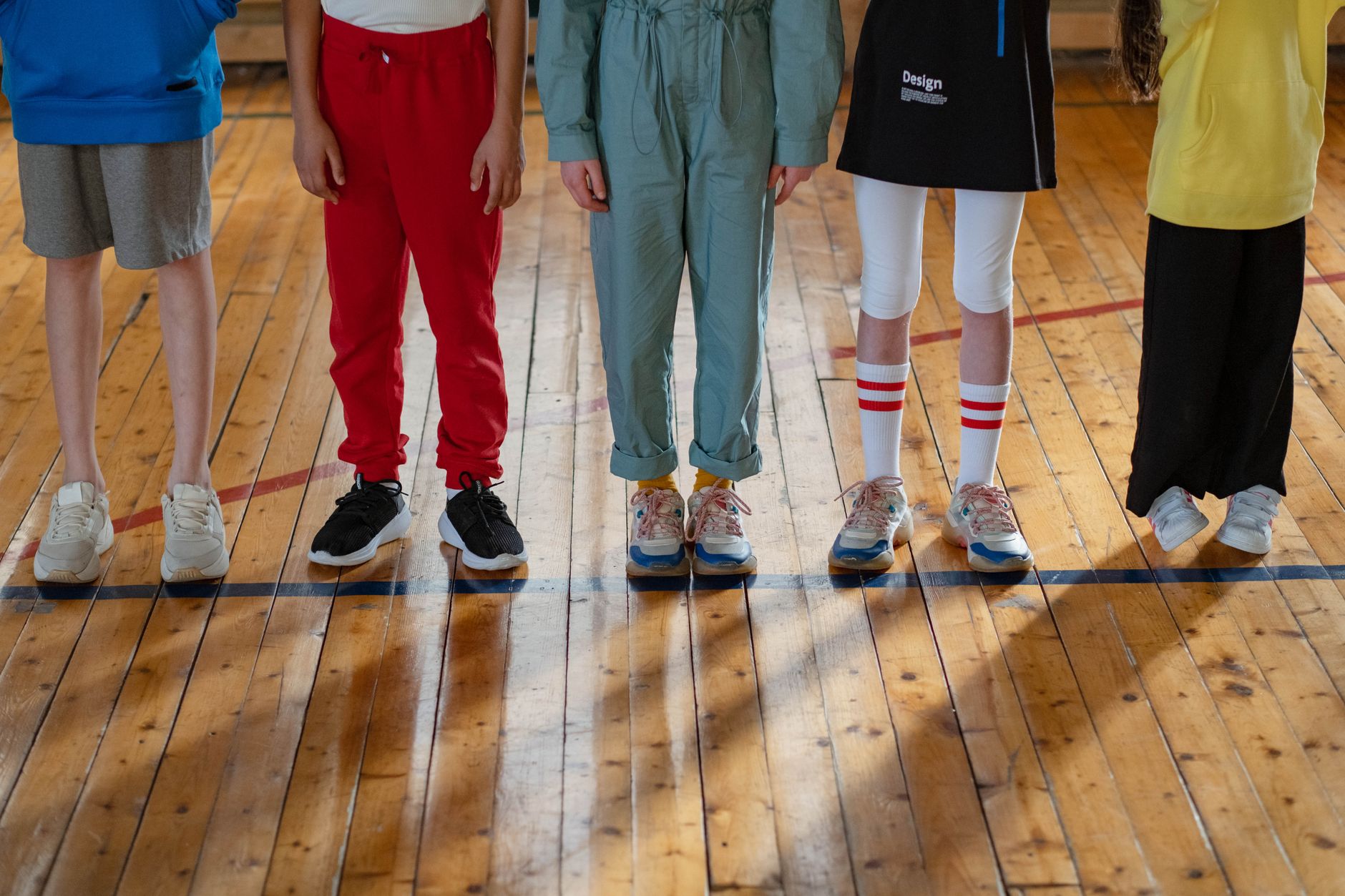
Whether you’re kitting out a Saturday morning netball club in Brisbane or outfitting a corporate team for an interstate touch football competition, clothing in sports does far more than keep athletes comfortable. It communicates identity, builds team cohesion, attracts sponsors, and — when done well — creates a walking billboard for your brand that extends well beyond the playing field. For Australian businesses, sports clubs, and marketing teams looking to maximise the value of their branded apparel investment, understanding the full strategic picture behind sports clothing is essential. This guide breaks down everything you need to know, from decoration methods and fabric choices to MOQs, budgeting, and making your brand unforgettable on game day.
Why Clothing in Sports Is About More Than Performance
It’s tempting to think of sports clothing purely in functional terms — breathability, moisture-wicking, UV protection. And yes, those things matter. But the strategic value of well-designed, properly branded sports apparel extends far beyond performance specifications.
When a team wears matching, professionally decorated kit, something powerful happens. Players feel like they belong. Supporters can identify their team instantly. And sponsors get visible, consistent exposure across every game, training session, photograph, and social media post. That’s a lot of return on what is often a very reasonable investment.
For sports clubs across Australia — from junior AFL teams in Adelaide to surf lifesaving clubs on the Gold Coast — branded clothing is frequently the single most visible representation of the club’s identity. It’s what new members see first, what sponsors assess when evaluating value, and what the broader community associates with your organisation.
For corporate teams entering fun runs, charity events, or workplace sports competitions, branded sports clothing also serves a secondary purpose: it reinforces company culture internally while generating brand awareness externally. A Perth-based business that puts thirty employees in matching branded polos at a corporate triathlon isn’t just participating — they’re making a statement.
Key Clothing Categories for Sports Clubs and Corporate Teams
Not all sports apparel is created equal. Choosing the right garment type for your purpose is the first critical decision.
Performance T-Shirts and Singlets
The cornerstone of most sports kit, performance tees and singlets are designed for high-activity environments. Look for polyester or poly-blend fabrics that wick moisture away from the skin, dry quickly, and retain their shape through repeated washing. Our detailed breakdown of branded promotional tees covers what to look for when selecting garments that will hold up under pressure — both physical and branding-wise.
For outdoor events and summer competitions, UV-protective fabrics are worth prioritising. If your team is training or competing in Sydney, Melbourne, or anywhere with significant sun exposure, this is a genuine safety consideration. You might also want to explore promotional sunscreen options for outdoor events in Sydney as a complementary branded giveaway.
Polos and Training Tops
Polos occupy a valuable middle ground — smart enough for the sidelines, functional enough for warm-ups. They’re particularly popular for coaching staff, team officials, and corporate sporting events where a slightly more polished look is required. Embroidery tends to work exceptionally well on polo shirts, producing a premium, durable finish that holds up through hundreds of washes.
Hoodies, Zip-Ups, and Warm-Up Jackets
Every sports team needs a warm-up layer, and this is where branded outerwear earns its keep. Hoodies are especially popular for winter sports and indoor competitions. Zip-up jackets give coaches and support staff a professional, unified look. For clubs and teams wanting something with serious premium appeal, custom varsity jackets are making a strong comeback across Australian sporting culture in 2026 — offering excellent embroidery real estate and a timeless aesthetic that players genuinely want to wear off the field too.
Caps and Headwear
Caps are one of the most practical and cost-effective items in any sports merchandise toolkit. They offer significant logo visibility, protect wearers from the sun, and have broad appeal across age groups. They’re also relatively easy to decorate via embroidery or screen printing, with MOQs typically starting from as few as 12–24 units depending on the supplier and decoration method.
Socks, Towels, and Accessories
Don’t overlook the extras. Branded socks have become increasingly popular in Australian club sports. Quick-dry towels are another practical option that players genuinely use — check out our guide to branded quick-dry towels for more on this underutilised product category.
Decoration Methods for Sports Clothing: What Works Best
Choosing the right decoration method is just as important as choosing the right garment. In a sporting context, durability is paramount — your branding needs to survive sweat, washing, sun exposure, and physical activity.
Screen Printing
Screen printing is the go-to method for large runs of sports apparel, particularly on flat, smooth-surfaced garments like performance tees and singlets. It produces vibrant, durable colours at a very competitive cost per unit when ordering in volume. For clubs ordering 50+ units, screen printing almost always delivers the best cost-per-impression ratio. It’s ideal for bold, simple designs with solid colour fills.
Embroidery
Embroidery is best suited to polos, caps, hoodies, and heavier-weight garments. The stitched finish adds a premium, tactile quality that screen printing can’t replicate — and it’s extremely durable. For school sports uniforms and corporate team kits where longevity matters, embroidery is often the preferred choice. School uniform embroidery services offer a useful reference point for understanding quality standards and turnaround expectations.
Sublimation Printing
Sublimation is increasingly the decoration method of choice for performance sportswear — particularly for custom-designed jerseys, cycling kits, and netball uniforms. The process bonds dye directly into the fabric, producing all-over, vibrant designs that never crack, fade, or peel. The catch? Sublimation only works on 100% polyester fabrics and typically requires a minimum order of at least 20–25 units.
Heat Transfer and Digital Printing
Heat transfer and digital printing fill the gap for smaller orders or intricate, multi-colour artwork that screen printing can’t economically reproduce. Turnaround times are generally faster, and MOQs can be as low as one unit — making these methods ideal for one-off trial pieces or sample orders before committing to a full production run.
Budgeting for Sports Club and Corporate Apparel Orders
One of the most common challenges sports clubs and marketing teams face is managing expectations around cost. Here’s a realistic framework to work with.
For a basic performance tee with a two-colour chest print, expect to pay somewhere in the range of $15–$35 per unit depending on garment quality, order quantity, and number of print colours. Embroidered polos typically range from $30–$60 per unit. Premium hoodies and jackets can push $60–$120 or higher at the quality end of the market.
Setup fees are a real cost factor — screen printing setups typically range from $50–$120 per colour per location. Always factor these into your total budget, particularly for smaller orders. For clubs in Western Australia, our overview of promotional products in Perth touches on local considerations that can affect pricing and supplier selection.
Order volume is the single biggest lever you can pull to reduce cost per unit. If your committee is debating between ordering 30 and 60 units, running the numbers on cost-per-unit at each threshold is always worth the effort.
Building Sponsorship Value Through Branded Sports Clothing
Sponsors are investing in visibility and brand association. Clothing in sports delivers on both fronts — consistently and at scale. A well-placed sponsor logo on a team jersey gets seen at every game, in every team photo, on every social media post, and by every spectator in the stands.
When pitching to sponsors, quantify the exposure. How many games does your team play per season? How many players? How many spectators attend? Do you post team photos regularly? These numbers help sponsors understand the value they’re receiving.
For corporate partners particularly interested in community goodwill and local brand building, sports club sponsorship is often one of the most cost-effective branded merchandise investments they can make. See real-world examples of how Australian organisations leverage promotional products for inspiration on structuring sponsorship deliverables.
Eco-Friendly and Sustainable Options for Sports Apparel
Sustainability is no longer a nice-to-have in branded merchandise — it’s increasingly expected, particularly by corporate clients and younger audiences. Thankfully, eco-conscious sports apparel options have expanded significantly.
Recycled polyester (rPET), made from post-consumer plastic bottles, is now widely available in performance garment form and carries genuine environmental credentials. Some suppliers also offer garments certified to OEKO-TEX standards, meaning they’ve been tested for harmful substances. Pairing eco-friendly sportswear with sustainable brand values creates a coherent, authentic story that resonates with modern supporters and sponsors alike.
Beyond garments, consider what else you’re handing out at sports events. Recyclable pens, branded reusable water bottles, and eco-friendly drinkware all reinforce a sustainability message. Even small event additions like printed stubby coolers can be sourced in more sustainable materials than traditional options.
Tips for a Smooth Sports Apparel Order
- Plan early. Turnaround times for decorated sportswear typically range from 10–20 business days depending on complexity, quantity, and supplier load. Order well ahead of your season start or event date.
- Get a sample or physical proof before committing to a full production run, especially if you’re trying a new supplier or decoration method.
- Standardise your brand assets. Provide artwork in vector format (AI or EPS) with PMS colour references. This ensures colour accuracy across garments and decoration methods.
- Size inclusively. Offer a genuine range from XS to 5XL where possible. Nothing signals poor planning quite like a team where some members can’t find their size.
- Consider a bundle approach. Combining sports apparel with branded accessories — backpacks, travel mugs, or branded notebooks — creates a cohesive merchandise pack that adds significant perceived value for players, coaches, and sponsors.
Conclusion: Making Clothing in Sports Work Harder for Your Brand
Clothing in sports is one of the most powerful, multi-functional branding tools available to Australian sports clubs, businesses, and marketing teams. When chosen carefully and decorated professionally, sports apparel builds team identity, delivers sustained sponsor exposure, reinforces community connection, and functions as genuine promotional gear long after the final whistle.
Here are the key takeaways to carry forward:
- Choose garments based on function first — performance fabric, fit, and durability should drive decisions before aesthetics.
- Match your decoration method to your garment and use case — sublimation for performance jerseys, embroidery for polos and caps, screen printing for large-run tees.
- Budget realistically — factor in setup fees, sample costs, and volume thresholds from the outset.
- Build sponsorship value intentionally — quantify exposure and make it easy for sponsors to say yes.
- Think sustainably — eco-friendly sports apparel options are more accessible and affordable than ever, and they carry genuine brand benefits.
Whether you’re ordering 25 units for a suburban futsal team in Melbourne or 500 pieces for a national corporate sports day, the principles remain the same: invest in quality, plan ahead, and let your clothing do the talking.