
Hat Liners for Hard Hats: What to Wear Under Your Safety Helmet
Discover the best hats to wear under a hard hat for comfort, warmth, and safety on Australian worksites — plus branding tips for your crew.

Written by
Declan Murphy
Safety & Workwear
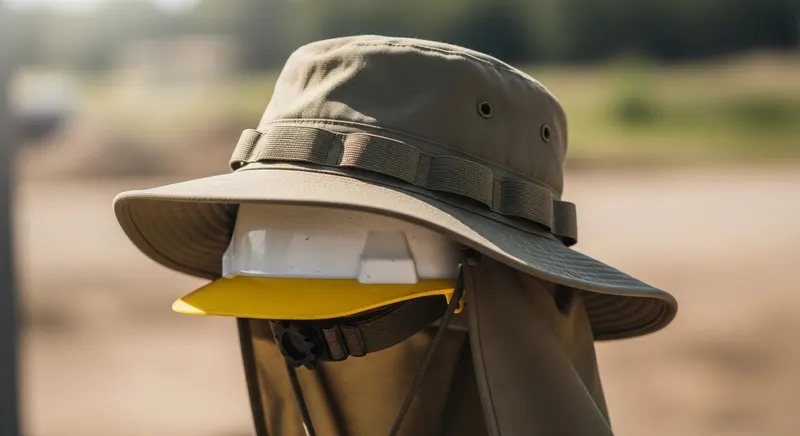
Wearing the right hat under a hard hat might seem like a minor detail, but for workers spending long hours on Australian construction sites, mining operations, or outdoor industrial environments, it can make the difference between a miserable shift and a productive one. Whether you’re a safety manager sourcing gear for a Queensland mining crew, a Melbourne construction company kitting out a large team, or a marketing professional looking to brand worksite accessories, understanding what goes under a hard hat is both a safety and a comfort decision. And with smart branding choices, it’s also an opportunity to extend your company’s identity right to the top of your workers’ heads.
Why the Right Hat for a Hard Hat Matters
Hard hats are non-negotiable on most Australian worksites. Under the Work Health and Safety regulations that apply across states and territories, head protection is a mandatory requirement in environments where there’s a risk of falling objects, electrical hazards, or head impacts. But the hard hat itself doesn’t offer much in the way of thermal comfort, moisture management, or sun protection — and that’s exactly where the hat worn underneath comes in.
The right hat liner or underhelmet can:
- Absorb sweat during hot summer months on Perth or Darwin sites
- Provide warmth during cold winters in Canberra, southern Victoria, or Tasmanian highland projects
- Reduce pressure points caused by wearing a hard hat for extended periods
- Help maintain hygiene when multiple workers share helmets
- Serve as a branded piece of team merchandise that reinforces company culture
Getting this balance right requires understanding which products are compatible with hard hats, what materials work best in Australian conditions, and how branding can be incorporated without compromising safety.
Types of Hats Suitable for Wearing Under a Hard Hat
Not all headwear is appropriate to wear under a hard hat. Bulky brims, thick padding, or rigid structures can compromise the fit and protective function of the helmet — and that’s a genuine safety risk. Here’s a breakdown of the most common options.
Skull Caps and Beanie Liners
Thin skull caps and beanie liners are arguably the most popular hat for hard hat use in Australian workplaces. Made from materials like merino wool, acrylic knit, or moisture-wicking polyester, they sit close to the scalp without adding significant bulk. They’re ideal for cold climates — think a Hobart tunnel project in winter or a pre-dawn start in alpine New South Wales.
A branded skull cap in your company’s colours is a cost-effective promotional workwear item. With low minimum order quantities (often as low as 25–50 units) and decoration options including embroidery or heat transfer, these are straightforward pieces to customise.
Moisture-Wicking Under-Helmet Caps
For warmer conditions — Brisbane summers, Darwin’s wet season, or North Queensland operations — a lightweight moisture-wicking cap is a better fit. These are often made from breathable polyester blends designed to pull sweat away from the skin. They’re cut low-profile specifically to sit comfortably inside a hard hat.
These products pair well with a broader summer workwear kit. If you’re already supplying your team with summer branded gifts for suppliers or similar seasonal items, a moisture-wicking under-helmet cap makes a practical addition.
Balaclavas
In very cold or windy environments — such as outdoor worksites in regional South Australia during winter or elevated construction projects — a balaclava can be an appropriate hat for hard hat use. They provide coverage for the neck and face while still fitting beneath the helmet. However, it’s important to select thin, form-fitting balaclavas rather than thick ones, which can affect the hard hat’s suspension system.
Hard Hat Liner Inserts
Technically not a separate hat, but worth mentioning: dedicated hard hat liner inserts are designed specifically for use inside helmets. They often include ear muffs, neck curtains, or face shields integrated into the design. For branded applications, they’re less flexible in terms of decoration, but they’re a highly functional choice for extreme cold.
What to Avoid Wearing Under a Hard Hat
There are several headwear types that should never be worn under a hard hat:
- Standard baseball caps or bucket hats: The brims and rigid structures interfere with the hard hat’s positioning and can actually push it upward, reducing clearance between the helmet shell and the worker’s head.
- Thick woolly beanies: While warm, they can elevate the hard hat too high on the head, compromising the suspension system designed to absorb impact.
- Padded or puffed headwear: Any hat with structured padding around the crown risks compromising the fit and protection level of the hard hat.
This is a critical point if you’re sourcing gear for a worksite team. Safety must always come before branding or aesthetics. Review your hard hat manufacturer’s guidelines before approving any under-helmet headwear for your crew.
Branding Opportunities: Turning Worksite Headwear Into a Marketing Asset
Here’s where things get interesting for marketing teams and business owners. The hat worn under a hard hat might seem like a hidden item, but it’s actually seen constantly — during breaks, arrivals and departures, site meetings, and safety briefings. It’s prime branded real estate.
Decoration Methods for Under-Helmet Headwear
Embroidery is the gold standard for beanies and skull caps. It’s durable, professional-looking, and holds up well through repeated washes and the rough conditions of worksites. Your logo or company name stitched onto the front or side cuff of a beanie creates a polished result that lasts.
Heat transfer printing works well for moisture-wicking polyester caps, where embroidery can sometimes distort the fabric. It allows for more detailed logos and colour matching, which is important for brands with precise visual identity guidelines.
Screen printing is less common for headwear due to the curved surfaces involved, but it can be used effectively on flatter sections of skull caps.
For teams already investing in Syzmik workwear or other worksite apparel, adding custom under-helmet caps to the mix creates a cohesive, fully branded team appearance from head to toe.
Minimum Order Quantities and Budget Expectations
For most custom beanies and skull caps in Australia, expect MOQs of 25–50 units for stock styles with embroidery, rising to 100+ units if you’re going with custom-manufactured product. Branded moisture-wicking caps often have similar thresholds.
Budget-wise, quality branded skull caps typically range from $8–$20 per unit at moderate order quantities, while more technical moisture-wicking under-helmet caps can sit anywhere from $12–$30 depending on the fabric and decoration complexity. Setup fees for embroidery digitising are generally a one-time cost of $50–$150, recovered quickly across bulk orders.
Packaging and Presentation
If you’re supplying workwear kits to new employees or project teams, presenting a branded under-helmet cap alongside other items — a branded water bottle, a quality travel mug, or a Thule backpack — creates a genuinely impressive onboarding or welcome pack. It signals that your organisation takes both worker safety and team culture seriously.
Expanding the Worksite Branded Kit Beyond Headwear
A branded hat for hard hat use is a smart start, but the most effective worksite merchandising strategies go further. Think about what workers use and wear every day, and how those touchpoints can carry your brand.
- Hi-vis shirts and polos: Core to any Australian worksite uniform. Pair embroidered under-helmet caps with matching embroidered hi-vis for a consistent look.
- Reusable drinkware: Workers in physical roles need to stay hydrated. Branded water bottles or keep cups are practical, appreciated, and highly visible during breaks.
- Eco-friendly accessories: Sustainability is increasingly important in procurement decisions. Consider sustainable promotional products alongside your safety gear to reflect your company’s values.
- Stationery and site accessories: From recyclable pens used during site inductions to branded notepads, small items add up to a strong overall brand impression.
You might also consider how branded worksite gear fits into your broader identity as a sustainability-focused brand, particularly if you’re working in sectors where environmental credentials matter to clients and stakeholders.
Artwork and Ordering Tips for Worksite Headwear
Before placing an order for under-helmet headwear, here’s what to have ready:
- Vector artwork: Provide your logo in AI, EPS, or high-resolution PDF format. This ensures clean embroidery digitisation or printing.
- Colour specifications: Ideally provide Pantone (PMS) codes to ensure accurate colour matching on knit fabrics, which can shift colours slightly.
- Size range: Skull caps are typically one-size-fits-most, but confirm this covers your team’s range before committing to a large order.
- Turnaround time: Standard turnaround for branded beanies or caps in Australia is typically 10–15 business days from artwork approval. For urgent needs, some suppliers offer rush production at an additional cost — plan ahead where possible.
- Request a sample: For orders over 100 units, always request a pre-production sample before approving the full run.
Conclusion: Key Takeaways for Sourcing the Right Hat for a Hard Hat
Finding the right hat for hard hat use is genuinely about balancing safety compliance, worker comfort, Australian climate conditions, and branding opportunity. Done well, it’s a small but meaningful investment in your team’s wellbeing and your organisation’s professional image.
Here are the key points to take with you:
- Safety first: Always check the hard hat manufacturer’s guidelines before selecting any under-helmet headwear. Brims, thick padding, and rigid structures are incompatible with hard hat suspension systems.
- Match the climate: Lightweight moisture-wicking caps suit warmer Australian states and seasons; merino or acrylic skull caps and beanie liners are better suited to cold conditions.
- Embroidery is the preferred decoration method for most skull caps and beanies — it’s durable, professional, and handles wash-and-wear conditions on worksites.
- MOQs are accessible: Most suppliers offer branded under-helmet headwear from as low as 25–50 units, making it a viable option even for smaller teams.
- Think beyond the hat: The most effective worksite branding strategies include headwear as part of a broader kit — combining apparel, drinkware, and accessories for a cohesive, memorable impression.
Whether you’re outfitting a crew of 20 on a regional New South Wales infrastructure project or building a branded onboarding kit for a large Brisbane construction firm, getting the hat under the hard hat right is a detail that pays dividends in comfort, culture, and brand visibility.