
Office Work Printing: A Complete Guide to Branded Print Products for Australian Businesses
Discover how Australian businesses can use office work printing to boost brand visibility with practical tips on products, methods, and budgets.

Written by
Lily Park
Stationery & Office
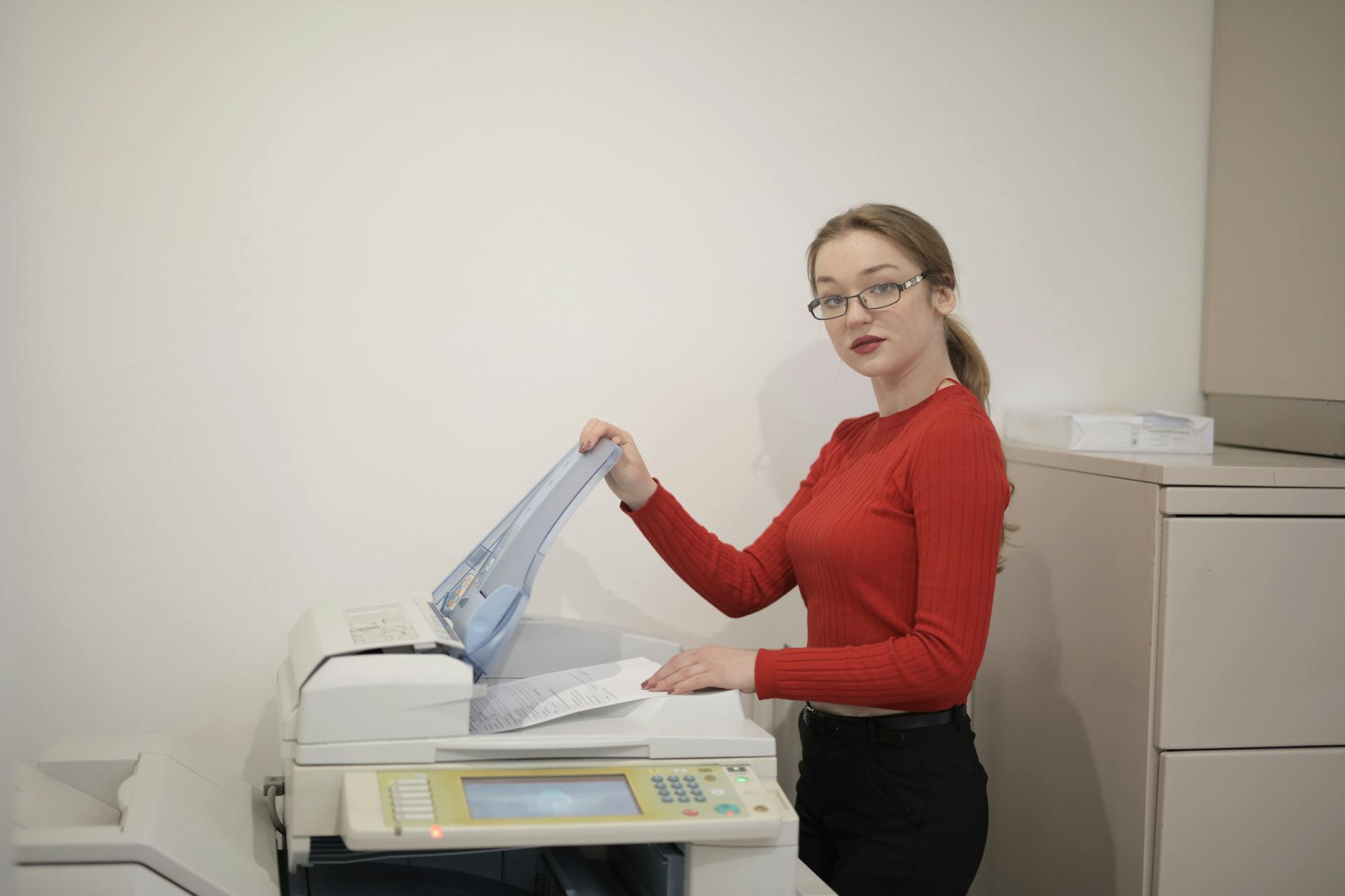
When it comes to building a recognisable brand in the workplace, few strategies are as consistently effective — or as underutilised — as office work printing. From branded stationery and notepads through to printed signage and custom workwear, the way your brand appears across everyday office touchpoints has a meaningful impact on how colleagues, clients, and visitors perceive your organisation. Whether you’re a marketing team in Melbourne preparing for a company rebrand, a Sydney-based business ordering for a new office opening, or a sports club in Brisbane outfitting your administrative staff, understanding how to approach office printing for branded merchandise can save you time, money, and a whole lot of frustration.
What Is Office Work Printing and Why Does It Matter?
Office work printing refers to the broader ecosystem of printed and decorated products used in a professional workplace environment. This goes well beyond your standard laser printer and A4 paper — it encompasses custom-branded stationery, printed promotional materials, decorated apparel, engraved awards, and signage that collectively reinforce your brand identity on a daily basis.
In a competitive market, consistency is everything. When a client walks into your Perth office and sees your logo on the reception signage, the branded notebooks on the conference table, the keep cups your staff carry, and the polo shirts your team is wearing — that’s not coincidence, that’s intentional brand strategy. The cumulative effect of branded print products creates a professional impression that builds trust and memorability.
For marketing teams managing brand standards across multiple locations or departments, having a clear plan for office printing products also helps maintain consistency. Without a structured approach, you often end up with mismatched colours, outdated logos, and products that don’t quite align with your brand guidelines — a common pain point for growing businesses across Australia.
Common Office Work Printing Products to Know
Before diving into the how, it’s worth surveying the what. The range of products that fall under office work printing is broader than many businesses realise.
Stationery and Printed Paper Products
Custom notebooks, branded notepads, printed sticky notes, and personalised pens are the bread and butter of office printing. These items get used daily, making them high-visibility touchpoints for both staff and visitors. A quality custom-branded notebook sitting on a conference table tells clients you take your brand seriously.
Pens are arguably the most distributed branded product in Australian workplaces. With minimum order quantities (MOQs) as low as 50 to 100 units depending on the style, they’re accessible for small businesses and large corporations alike. Popular decoration methods include pad printing for plastic barrel pens and laser engraving for premium metal options.
Branded Drinkware
Office kitchens and meeting rooms are prime real estate for branded drinkware. Reusable coffee cups, ceramic mugs, glass tumblers, and insulated bottles are constantly in front of colleagues and clients. Understanding how drinkware influences consumer behaviour can help you make smarter choices when selecting products for your office environment.
If you’re looking to align your office gifts with sustainability goals — increasingly important to Australian corporates and government clients — there are excellent eco-friendly options available. Top-rated branded water bottles and reusable alternatives are popular choices for offices wanting to reduce single-use plastic while reinforcing their brand. You might also explore options like a tea infuser bottle for health-conscious workplaces.
Promotional Materials and Printed Collateral
Flyers, brochures, presentation folders, and branded envelopes all fall into the world of office work printing. These materials support sales teams, client meetings, trade show appearances, and internal communications. For a comprehensive look at what’s available, our overview of promotional materials is a great starting point.
Signage and Safety Branding
Offices also require functional printed products — not just promotional ones. Branded signage, directional signs, and safety materials play a critical role in professional environments. Industries with compliance obligations, such as construction, healthcare, and manufacturing, often combine functional and branded elements. Promotional safety signage with company branding is one example of how organisations can meet legal obligations while reinforcing brand identity.
Choosing the Right Decoration Method for Office Printing
One of the most important decisions in any office work printing project is choosing the right decoration method. Not all methods suit all products, and the wrong choice can affect durability, appearance, and cost.
Screen Printing
Screen printing is best suited to flat surfaces — think promotional bags, apparel, notepads, and paper products. It’s cost-effective at higher quantities (typically 50 units and above) and delivers vibrant, durable results. It works particularly well when your design uses solid, defined colours rather than gradients or photographic imagery.
Embroidery
Embroidery is the go-to method for branded corporate apparel — polo shirts, caps, jackets, and bags. It offers a premium, tactile finish that lasts through repeated washing and heavy use. It’s ideal for organisations wanting a professional, elevated look. If you’re outfitting office staff in hi-vis or protective workwear, embroidery or heat transfer are both common and effective choices.
Laser Engraving
For premium office items — metal pens, USB drives, awards, and desk accessories — laser engraving creates a sophisticated, long-lasting impression. It’s particularly popular in corporate gifting scenarios where quality matters. Items like promotional power banks often use laser engraving to deliver a sleek, professional result.
Digital and Pad Printing
Digital printing suits short-run, full-colour jobs with detailed artwork, while pad printing is widely used for small, irregular surfaces like the barrels of pens, keyrings, and small accessories. If you’re looking at items like promotional keyrings for gifting, pad printing is likely the method your supplier will recommend.
Practical Tips for Managing Office Work Printing Projects
Getting your office printing project right from the start requires a bit of planning. Here are some practical considerations to keep in mind.
Get Your Artwork Right First
Before approaching a supplier, ensure your logo and brand assets are in the correct format. Vector files (AI, EPS, or high-resolution PDF) are typically required for most print methods. Raster files like JPGs and PNGs are often too low resolution for quality reproduction on physical products. Many decoration issues — including fuzzy logos, incorrect colours, and poor contrast — stem from artwork problems at the start of the project.
PMS (Pantone Matching System) colour references are important if brand colour accuracy matters to you. Ask your supplier about colour matching options before placing your order, as not all methods support exact PMS matching.
Understand Minimum Order Quantities
MOQs vary significantly by product and decoration method. Embroidered polo shirts might have an MOQ of 12 to 25 units, while screen-printed tote bags might start at 50. Premium engraved items may have lower MOQs but higher per-unit costs. Understanding your budget and quantity requirements upfront will help you shortlist the right products. For inspiration on how Australian businesses approach this, our promotional products case studies offer real-world examples.
Plan for Lead Times
Rushed orders are expensive orders. Standard turnaround for most office work printing projects in Australia is 10 to 15 business days from proof approval, though express options are often available at a premium. If you’re ordering for a specific event — a product launch, a conference, or a new office opening — factor in time for the proof approval process, any revisions, and shipping from your supplier’s location.
If you’re located in regional areas or ordering for multiple offices across states like Western Australia or Queensland, be particularly mindful of freight times. Suppliers working with Brisbane-area clients or those servicing Perth and WA businesses will have local knowledge about typical delivery windows.
Think Beyond the Desk
Office work printing doesn’t have to stop at the workstation. Think about what your clients and guests experience when they visit your offices, attend events, or receive packages from your team. Branded summer gifts for suppliers and seasonal corporate gifts are natural extensions of your office printing strategy. A coordinated approach — where every touchpoint, from the reception desk to the gift bag — reinforces the same brand story is far more impactful than a piecemeal approach.
Unique, memorable items like promotional cutting boards or first aid kits with your branding can also complement your standard office print products, particularly for corporate gift campaigns or staff appreciation initiatives.
Work With a Reputable Promotional Products Partner
The quality of your outcome depends significantly on the supplier you choose. A reliable promotional products company will offer proper pre-production proofs, clear communication on lead times, and quality assurance before dispatch. Don’t be afraid to request samples before committing to a large order — particularly for items like apparel or drinkware where fit, feel, and print quality can vary between product lines and brands.
Budgeting for Office Work Printing in 2026
Budget is always a consideration. The good news is that office work printing offers options across a wide range of price points. Here’s a rough framework:
- Entry-level items (pens, notepads, basic tote bags): $2–$8 per unit at typical MOQs
- Mid-range items (branded mugs, notebooks, polo shirts, caps): $10–$30 per unit
- Premium items (engraved metal drinkware, leather notebooks, quality power banks): $30–$80+ per unit
For marketing teams working within a fixed annual budget, it’s worth segmenting spend by purpose — everyday office items, client gifts, conference giveaways, and staff recognition — rather than treating it as one undifferentiated line item. This makes it easier to justify investment and measure return.
Key Takeaways
Office work printing is a broad and valuable category that spans stationery, apparel, drinkware, signage, and more. Done well, it builds brand consistency, impresses clients, and creates a cohesive professional environment. Here’s what to remember:
- Plan your artwork early — vector files and PMS references prevent costly errors and delays
- Match the decoration method to the product — embroidery for apparel, engraving for premium items, screen printing for flat surfaces and high volumes
- Factor in lead times — 10 to 15 business days is standard; rush orders cost more
- Think beyond the obvious — office printing extends to gifts, signage, and every client touchpoint
- Work with a trusted supplier — request samples, get proofs approved, and communicate clearly about quantities and deadlines
- Budget by purpose — segmenting your spend helps you track ROI and make smarter purchasing decisions
A well-executed office work printing strategy isn’t just about keeping your logo visible — it’s about creating an environment where your brand feels intentional, professional, and worth remembering.