
How to Phone Case Customize: A Smart Guide for Australian Brands
Learn how to customise phone cases for your brand, club, or event in Australia. Tips on decoration, MOQs, budgets & more.

Written by
Nate Robinson
Tech & Electronics
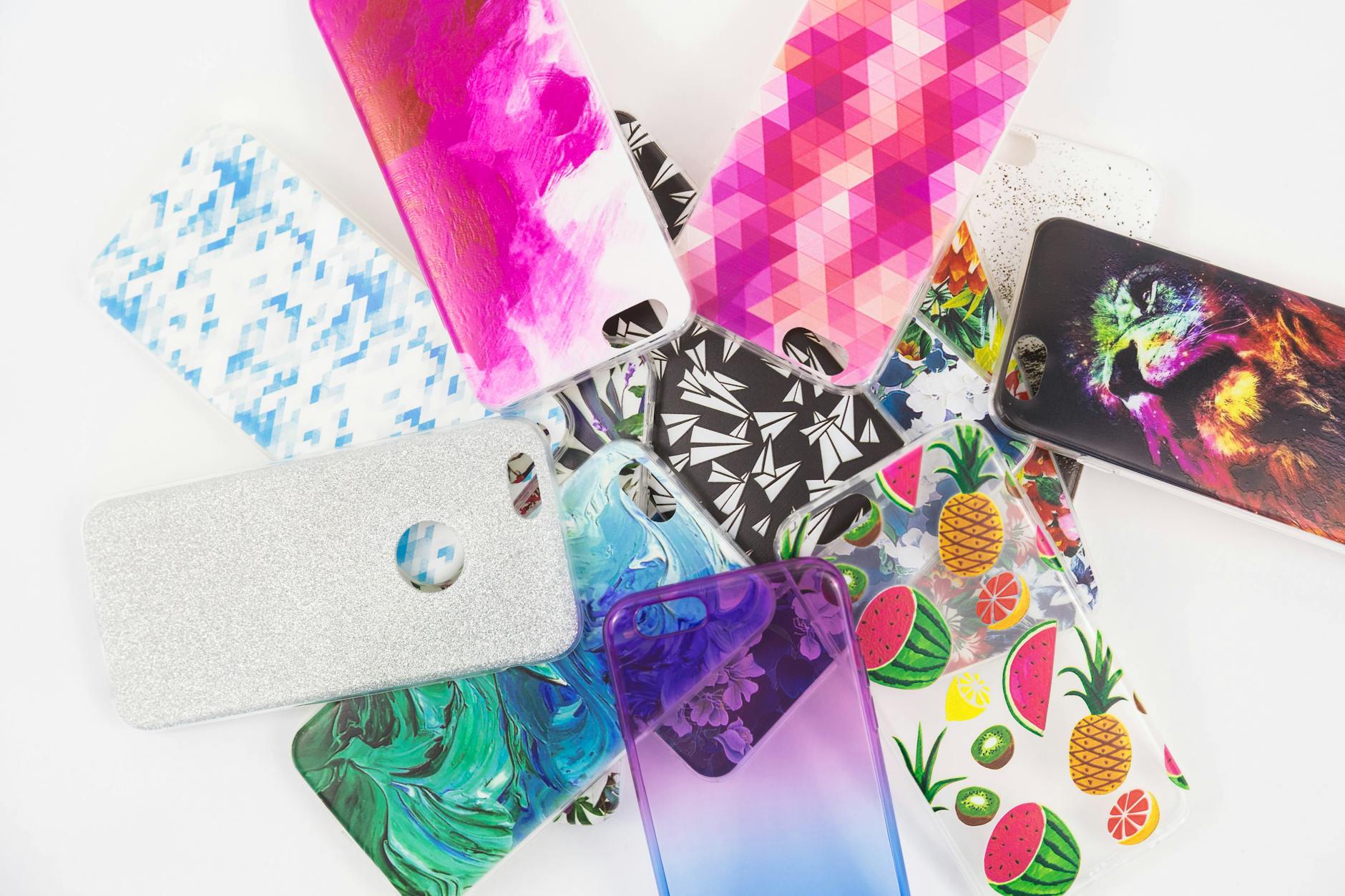
Every year, millions of Australians carry their smartphones everywhere — to the office, the footy, the school run, and the coffee shop. That means a custom phone case isn’t just a piece of protective plastic; it’s a walking billboard that travels with your audience every single day. If you’re a marketing manager in Sydney, a footy club treasurer in Adelaide, or a small business owner in Brisbane looking for standout branded merchandise, learning how to phone case customize properly can unlock one of the most impactful promotional products available today. This guide breaks down everything you need to know — from selecting the right case style and decoration method, to managing MOQs, budgets, and turnaround times.
Why Branded Phone Cases Are Worth Your Attention
Before diving into the how-to, it’s worth understanding why custom phone cases have earned their place in the promotional products toolkit.
The average Australian checks their phone upward of 100 times per day. Every single time someone picks up their device, they see your logo. Compare that to a branded pen sitting in a drawer or a tote bag hung on a hook — the exposure rate for a custom phone case is genuinely hard to match in the promotional merchandise world. If you’re curious about the broader impact of promotional products in Australia, the research consistently supports high-visibility, high-use items as the best performers for brand recall.
Phone cases also carry a perceived value that punches above their cost. Recipients tend to keep items that are both useful and aesthetically appealing, and a well-designed case ticks both boxes. This is particularly relevant for sports clubs — a Geelong-based footy club that hands out custom phone cases to junior players at the start of the season will see that branding carried throughout schools, training grounds, and social gatherings for months.
Understanding Your Options: Case Types and Compatibility
Not all phone cases are created equal, and this is where many first-time buyers get caught out. Before you can phone case customize anything, you need to lock in the case style and compatibility range.
Hard vs. Soft Cases
Hard cases (typically polycarbonate plastic) are the most common choice for promotional purposes. They’re cost-effective, printable, and hold colour beautifully. The flat back panel gives you a clean canvas for branding.
Soft cases (TPU or silicone) offer more flexibility and are popular for their grip and drop protection. They’re slightly more challenging to print on but work well with certain decoration methods like moulded debossing or pad printing.
Tough combo cases combine a hard back with a soft bumper. These tend to sit at a higher price point but communicate premium quality — a great fit for corporate gifting or VIP client rewards.
Device Compatibility
This is critical. The Australian smartphone market is dominated by iPhone and Samsung Galaxy models, so most suppliers will stock cases compatible with current and recent-generation models. If you’re ordering for a broad audience — say, conference delegates across Melbourne or a staff uniform rollout in Perth — you’ll likely need to order across multiple phone models, which has implications for your MOQ strategy (more on that below).
Always confirm which models your supplier supports before finalising your artwork, and plan for a mix rather than assuming everyone uses the same device.
Decoration Methods: What Works Best on Phone Cases
Choosing the right decoration method is just as important as the product itself. The method you use will affect colour vibrancy, durability, detail level, and ultimately cost.
Full-Colour Sublimation Printing
Sublimation is the gold standard for phone case customisation. The process infuses ink directly into the surface of the case, producing vivid, photo-quality results that won’t peel, crack, or fade with normal use. This is ideal when your artwork features gradients, detailed photography, or complex multicolour designs. A Brisbane surf brand, for example, could use sublimation to wrap an ocean photo-print across the entire case back — something no other method achieves as cleanly.
Sublimation works best on white or light-coloured hard cases with a polymer coating. If you’re considering other materials, check with your supplier on compatibility.
Pad Printing
Pad printing is a cost-effective option for simple one or two-colour logos. It’s precise, durable, and well-suited to branding exercises where you want a clean, corporate look rather than an all-over print. If you’ve read our breakdown of pad printing on custom caps in Australia, you’ll understand how well this method performs on curved and irregular surfaces — and phone cases are no different.
UV Digital Printing
UV printing cures ink instantly under UV light, producing sharp, durable prints with excellent colour accuracy. It’s become increasingly common for phone cases and sits between sublimation and pad printing in terms of output quality and price. Great for runs where you need more colour detail than pad printing allows but don’t require the full wrap of sublimation.
Laser Engraving
Laser engraving removes the surface material to create a permanent, tactile impression of your logo. It’s typically used on metal or leather phone cases and adds a genuinely premium look and feel. For high-end corporate gifting or award purposes, laser-engraved phone cases carry serious shelf appeal.
Minimum Order Quantities and Budget Planning
MOQs are one of the first questions any smart buyer asks, and for good reason — they directly affect your unit cost and total outlay.
For custom phone cases, typical MOQs in Australia range from 25 to 50 units for sublimation or digital print, and can be as low as 12 to 25 units for pad printing. The catch is that if you’re ordering across multiple phone models, each model variant may need to meet its own MOQ — or your supplier may allow a blended run across models at a higher per-unit cost.
Bulk pricing tiers typically kick in at 50, 100, 250, and 500 units. If you’re ordering for a corporate team of 80 staff across a Sydney CBD office, pushing to 100 units (perhaps including extras as client gifts) will often dramatically reduce your cost per unit.
Budget expectations in 2026 for a solid mid-range custom phone case in Australia sit roughly between $8 and $25 per unit depending on case quality, decoration method, order volume, and number of models covered. Premium materials and laser engraving will push that higher.
Don’t forget to factor in setup fees (typically $40–$100 per colour for pad printing, often included in digital or sublimation runs), and always request a digital proof before approving production. For teams managing broader promotional materials campaigns, phone cases are often bundled with other tech items like promotional power banks for conference packs or staff welcome kits.
Artwork Requirements and the Proof Process
Getting your artwork right before print is non-negotiable. Submitting a low-resolution JPG and hoping for the best is the most common mistake first-time buyers make.
For phone case customisation, suppliers will generally request:
- Vector files (AI, EPS, or PDF) for logo-based designs
- High-resolution raster files (minimum 300 DPI at print size) for photographic or full-bleed designs
- Correct colour profiles — RGB for digital/sublimation; CMYK or PMS references for pad printing
PMS (Pantone Matching System) colour referencing matters if you’re working with strict brand guidelines. If your logo needs to appear in exactly Pantone 286 C (that distinctive royal blue), specify this clearly — and confirm your supplier can match it with their printing process.
Once artwork is submitted, a reputable supplier will provide a digital proof for your approval. Never skip this step. Review it carefully against your brand guidelines, check text is readable at size, and confirm the placement looks right across the template.
Turnaround Times: Planning Your Order
Turnaround times for custom phone cases in Australia typically run 10 to 15 business days from artwork approval, though express production is often available for rush orders at an additional cost.
If you’re ordering for a specific event — a Gold Coast trade show, a Melbourne product launch, or an end-of-season sports club presentation night — build in at least three to four weeks from briefing to delivery. This gives you buffer time for proof revisions, production, and shipping without the stress of an express fee.
For sporting clubs managing multiple merchandise items for their awards events, it’s worth reading about personalised certificates for sporting achievement ceremonies to coordinate timing across your full order.
Creative Ideas for Custom Phone Cases by Audience
For Corporate Marketing Teams
Use phone cases as part of a branded tech bundle alongside wireless chargers or earbuds. A Sydney financial services firm running a client acquisition campaign could include a premium phone case in a welcome pack alongside a custom power bank — creating a cohesive, high-perceived-value gift that reinforces brand professionalism.
For Sports Clubs
Custom phone cases with team colours, player numbers, or a season tagline make excellent merchandise to sell at club events or use as end-of-year gifts. Pair them with personalised snack packs at your next club function for a memorable experience.
For Events and Conferences
Phone cases are a practical alternative to the usual conference freebie lineup. Attendees actually use them — and your logo travels home. Check out promotional products case studies from Australian campaigns for inspiration on how to integrate phone cases into a broader event strategy. You might also consider how phone cases pair with custom lanyards as a complete conference delegate pack.
Looking for environmentally conscious options? Some suppliers now offer phone cases made from biodegradable or plant-based materials — worth exploring alongside plant-based corporate gift options if your brand has sustainability commitments.
Conclusion: Key Takeaways for Getting Your Phone Case Customisation Right
Whether you’re a marketing team in Melbourne, a sporting club committee in Brisbane, or a small business owner in Perth exploring branded merchandise for the first time, custom phone cases are a genuinely high-performing promotional product when ordered thoughtfully.
Here are the key things to take away from this guide:
- Match your decoration method to your design. Full-colour, photo-quality artwork calls for sublimation; simple logos work well with pad printing or UV digital print; premium gifting deserves laser engraving.
- Plan for multiple phone models early. Device compatibility affects your MOQ strategy and unit pricing — factor this into your budget before placing the order.
- Submit print-ready artwork from the start. Vector files, correct DPI, and PMS colour references will save you time, revisions, and frustration.
- Build in four weeks of lead time for event orders. Rush production is available but adds cost — planning ahead keeps your budget intact.
- Think about bundling. Phone cases work exceptionally well as part of a tech gift pack or conference delegate kit, amplifying the perceived value of your branded merchandise investment.
Done right, a custom phone case is one of those rare promotional items that recipients genuinely want to use — and every time they do, your brand is front and centre.