
How to Choose the Right Promotional Products Supplier for Your Business
Learn how to choose a reliable promotional products supplier in Australia. Tips on quality, turnaround times, MOQs, and getting the best value.

Written by
Fraser Holt
Bags & Totes
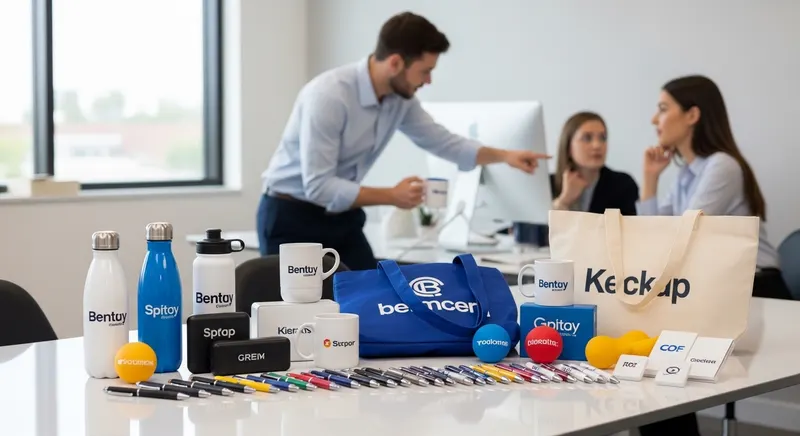
Choosing the right promotional products supplier can make or break your next marketing campaign, event, or club kit rollout. Order from the wrong supplier and you’re staring down late deliveries, poor print quality, and products that don’t match your brand. Get it right, however, and you’ll have high-quality branded merchandise landing on desks, in bags, and at events across Australia — doing exactly the job it was designed to do. Whether you’re a marketing manager in Sydney coordinating a product launch, a sports club in Brisbane kitting out its members, or a small business in Perth looking to build brand awareness, this guide will help you navigate the supplier landscape with confidence.
What Does a Promotional Products Supplier Actually Do?
It’s worth starting with a clear definition, because the industry is broader than many people realise. A promotional products supplier sources, decorates, and delivers branded merchandise on behalf of clients. That means they’re responsible not just for stocking the products, but for applying your logo — whether that’s via screen printing, embroidery, pad printing, laser engraving, sublimation, or digital printing — and managing the fulfilment process from initial enquiry through to delivery.
A full-service supplier will typically offer:
- Product sourcing across hundreds of categories, from promotional tees and custom varsity jackets to tech accessories and eco-friendly lines
- Artwork management, including file preparation, proof approval, and PMS colour matching
- Decoration and production, either in-house or through trusted manufacturing partners
- Quality control before dispatch
- Logistics and delivery, including options for split deliveries across multiple locations
Some suppliers are generalists, handling everything from stationery to apparel. Others specialise in specific categories like workwear or drinkware. Understanding what you need before you start shopping around will save you considerable time.
Key Factors to Evaluate When Choosing a Promotional Products Supplier
Not all suppliers are created equal. Here are the most important factors to assess before committing to an order.
Product Range and Quality
A wide product catalogue is useful, but it’s the quality within that catalogue that matters most. Ask whether the supplier can provide product samples before you commit to a large order — most reputable Australian suppliers will accommodate this, sometimes for a small fee. Pay attention to material weight, print clarity, and construction finish.
For drinkware, check out top-rated branded water bottles in Australia and consider whether the supplier stocks premium options like Thule backpacks or travel mugs and coffee cups — these signal a supplier with access to better-quality product lines.
Decoration Capabilities
The decoration method needs to match the product and your branding requirements. Embroidery suits structured garments like polos and caps but isn’t ideal for lightweight promotional tees. Screen printing is cost-effective for large runs on flat surfaces. Laser engraving is excellent for corporate gifts and drinkware. Sublimation delivers vibrant, full-colour results on polyester garments.
Ask your prospective supplier which decoration methods they handle in-house versus outsource. In-house capabilities generally mean faster turnaround and better quality control. If you’re looking at school uniform embroidery, for instance, a supplier with dedicated embroidery machines will produce more consistent results than one relying on third-party contractors.
Minimum Order Quantities (MOQs)
MOQs vary considerably across suppliers and product categories. For printed pens or recyclable pens, you might find MOQs as low as 50 units. For custom apparel like hoodies or Syzmik workwear, MOQs tend to sit between 12 and 50 units depending on the decoration method. Premium items — like engraved drinkware or custom tech accessories — can sometimes be ordered in smaller quantities, making them suitable for corporate gifting situations.
Understanding MOQs upfront helps you budget accurately and ensures you’re not ordering far more product than you actually need.
Turnaround Times
This is one of the most overlooked factors, and it catches people out regularly. Standard production times in Australia typically run between 10 and 15 business days from artwork approval, but this varies significantly by product type, decoration method, and time of year. Periods around Easter, EOFY, and the Christmas/New Year break are notoriously busy — suppliers get swamped, and lead times can blow out to four weeks or more.
If you’re ordering for a specific event or deadline, always communicate this upfront. A reliable supplier will tell you honestly whether they can meet your timeline, rather than taking the order and scrambling later. Some suppliers offer express or rush production for an additional fee, which can be a genuine lifesaver for last-minute campaigns.
Pricing Transparency and Setup Fees
Be wary of suppliers who advertise a price-per-unit without making setup fees, freight, and GST clear. Setup fees — charged to cover the cost of creating screens, plates, or digitising artwork — can range from $50 to $150 per colour or design element, depending on the decoration method. These fees are often once-off (meaning they’re waived on reorders), but they can significantly affect the total cost on smaller orders.
Ask for a fully itemised quote that includes:
- Unit cost at your required quantity
- Setup/digitising fees
- Freight to your location (whether that’s Melbourne, Adelaide, Darwin, or anywhere in between)
- GST
- Any artwork revision fees
A transparent, itemised quote is a sign of a supplier who values the relationship and isn’t going to hit you with surprises at invoice stage.
What Australian Businesses and Organisations Should Look For Specifically
Different types of organisations have different needs from a promotional products supplier, and it’s worth thinking about how your specific context shapes your requirements.
Marketing Teams at Corporate Businesses
Corporate marketing teams typically need a supplier who can handle volume, manage brand consistency across product categories, and turn around jobs reliably across multiple campaigns throughout the year. You’ll want a supplier who understands PMS colour matching, can produce a range of product types — from USB flash drives and USB sticks to sustainable promo products — and can work within a structured approval process.
Corporate teams in Sydney, Melbourne, and Brisbane should also consider suppliers with experience in sustainability branding, as more organisations are requiring that their merchandise meets environmental and ethical sourcing standards.
Sports Clubs and Associations
A football club in Adelaide, a swimming association on the Gold Coast, or a cycling club in Canberra all need slightly different things. Apparel is usually the primary focus — jerseys, training tees, club hoodies — but clubs also frequently order drinkware, bags, and accessories for fundraising or member packs.
Look for a supplier with experience in club merchandise, solid garment knowledge, and the ability to manage size runs across multiple decoration methods. Custom printed stubby coolers are a perennial favourite for club fundraisers and events, and a supplier who stocks these alongside apparel will make your ordering more efficient.
Seasonal and Event-Based Campaigns
Many businesses and organisations only order promotional products at specific times of year — for trade shows, EOFY activations, summer campaigns, or end-of-year gifts. For seasonal projects, consider summer branded gifts for suppliers and practical outdoor items like promotional sunscreen, quick-dry towels, and gym towels.
Suppliers who regularly handle event merchandise will have streamlined systems for artwork approval and proofing, which helps you hit tight deadlines without cutting corners on quality.
Red Flags to Watch Out For
Knowing what to look for in a good supplier also means knowing what to avoid. Keep an eye out for:
- No physical samples available — if a supplier won’t let you see the product before a large order, that’s a concern
- Vague turnaround times — “a few weeks” is not acceptable when you have a confirmed event date
- No artwork proof process — a legitimate supplier will always send you a digital proof for approval before going to production
- Unusually low pricing — rock-bottom prices often mean compromised product quality or unreliable print outcomes
- Poor communication — if a supplier is slow or unclear during the quoting stage, that pattern rarely improves once you’ve placed an order
Trust your instincts. If something feels off during the enquiry process, it probably is.
Building a Long-Term Supplier Relationship
The best outcome isn’t just finding a supplier for a single order — it’s building an ongoing relationship with a partner who understands your brand, your audience, and your operational requirements. Over time, a trusted supplier will know your preferred products, have your artwork on file, understand your PMS colours, and be able to turn around reorders quickly.
This kind of relationship saves time, reduces errors, and often unlocks better pricing through volume loyalty. It’s worth investing the effort upfront to find the right fit. Consider starting with a smaller test order — a run of branded holographic stickers or tea infuser bottles, for instance — to assess quality and service before committing to larger spend.
Conclusion
Finding the right promotional products supplier doesn’t need to be stressful, but it does require asking the right questions and knowing what good looks like. Take the time to evaluate product range and quality, check decoration capabilities, understand MOQs and turnaround times, and demand transparent pricing from the start.
Here are the key takeaways to carry into your next supplier search:
- Request samples before committing to any significant order — quality is everything in branded merchandise
- Get a fully itemised quote that includes setup fees, freight, and GST, so there are no surprises at invoice stage
- Communicate your deadline early and clearly — a good promotional products supplier will tell you honestly whether they can deliver in time
- Match the supplier to your needs — a corporate marketing team, a sporting club, and an event organiser all have different requirements
- Think long-term — a trusted supplier relationship built over multiple orders will save you time, money, and stress in the long run