
Australian Fishing Shirts: The Complete Guide to Custom Branded Options
Discover how to choose, customise, and order Australian fishing shirts for your business, club, or team. Expert tips on styles, decoration & budgets.

Written by
Kai Henare
Outdoor & Leisure
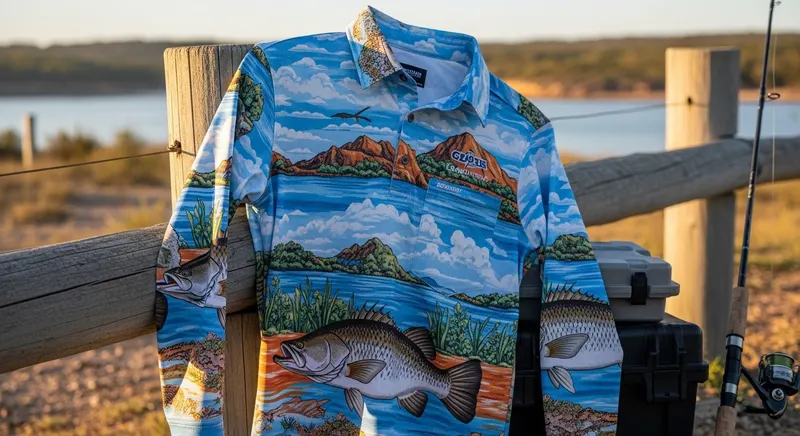
Whether you’re kitting out a fishing club in Queensland, putting together branded workwear for a tackle shop in Perth, or sourcing promotional shirts for a marine tourism operator on the Gold Coast, Australian fishing shirts represent one of the most practical and visible branding opportunities in the outdoor leisure space. These aren’t just functional garments — they’re walking billboards that get worn repeatedly, in highly visible outdoor environments, by people who are passionate about what they do. That combination of utility and brand exposure is exactly why savvy marketing teams and sports clubs across Australia are increasingly investing in custom branded fishing shirts.
This guide covers everything you need to know before placing an order — from choosing the right fabric and fit, to understanding decoration methods, minimum quantities, turnaround times, and budget expectations.
What Makes a Great Australian Fishing Shirt?
Before diving into branding, it’s worth understanding what separates a quality fishing shirt from a standard polo or casual tee. The Australian climate demands a lot from outdoor apparel. Whether you’re fishing the tropical waters off Darwin, surf fishing on South Australia’s Yorke Peninsula, or freshwater fishing in Victoria’s high country, a great fishing shirt needs to perform across a range of conditions.
Key Features to Look For
UPF Sun Protection — Australian fishing shirts should carry a minimum UPF 30+ rating, with UPF 50+ being the gold standard for full-day sun exposure. This is non-negotiable for anyone spending extended time on the water.
Moisture-Wicking Fabric — Polyester blends and technical fabrics that wick moisture away from the body keep wearers cool and comfortable in the heat. Pure cotton, while comfortable, holds moisture and dries slowly — less than ideal when you’re on the water in 35°C humidity.
Vented Construction — Back venting, mesh-lined panels, and button-through ventilation flaps are common features that improve airflow without compromising coverage.
Lightweight and Quick-Dry — Shirts that dry quickly after a splash or a rain shower are far more practical in a fishing context.
Rod Holder Loops and Chest Pockets — These functional touches matter to serious anglers and add perceived value to your branded merchandise.
When sourcing Australian fishing shirts for a business or club, look for suppliers who stock purpose-built fishing shirts rather than adapting standard workwear. Brands like Syzmik offer workwear-grade technical garments — you can explore Syzmik workwear options to understand the kind of performance-focused construction that translates well into outdoor applications.
Decoration Methods for Australian Fishing Shirts
Choosing the right decoration method is just as important as choosing the right shirt. Fishing shirts present some unique challenges — particularly the lightweight, stretchy, technical fabrics common in this category.
Sublimation Printing
Sublimation is arguably the best decoration method for Australian fishing shirts, and it’s used extensively in the category. The process infuses ink directly into the polyester fabric, producing vibrant, full-colour artwork that won’t crack, peel, fade, or add any tactile weight to the garment.
The key trade-off with sublimation is that it works best on 100% polyester (or high-polyester blend) white or light-coloured fabrics. Dark fishing shirts with sublimation printing require different production techniques. If you want edge-to-edge, all-over artwork — common in tournament fishing shirts or sport club designs — sublimation is your method.
Embroidery
Embroidery is a popular choice for corporate clients who want a premium, professional finish on their branded fishing shirts. A chest logo in embroidery on a fishing shirt used for marine tourism, charter boat operations, or hospitality brands has a clean, upmarket look that aligns with premium positioning.
Embroidery works well on slightly heavier fishing shirts but can pucker or distort on very lightweight technical fabrics. Always request a stitch count recommendation from your supplier, and ask whether an embroidery backing or stabiliser is being used.
For a broader comparison of these approaches, our breakdown of screen printing techniques covers how different decoration methods suit different fabric types.
Heat Transfer and DTF (Direct to Film)
For smaller orders or designs with fine detail and gradients, heat transfer and DTF printing offer flexibility without the setup costs associated with screen printing. These methods are suitable for fishing shirts but may not achieve the same longevity as sublimation under repeated washing and exposure to saltwater and sunscreen.
What About Screen Printing?
Screen printing is best suited to cotton or cotton-blend garments. Most technical fishing shirts are polyester-dominant, which makes screen printing less ideal for this category — inks may not adhere as well, and the heat involved in curing can distort stretchy fabrics. If you’re ordering cotton fishing shirts or budget casual shirts in the fishing theme, screen printing can still be cost-effective for larger runs.
Ordering Custom Australian Fishing Shirts: Practical Considerations
Minimum Order Quantities (MOQs)
MOQs for custom fishing shirts vary significantly depending on the decoration method and supplier:
- Sublimation (fully custom): Typically 20–50 pieces minimum, though some suppliers offer lower MOQs at a premium unit cost
- Embroidery: Often 12–24 pieces minimum, with setup fees for digitising
- Screen printing: Usually 24–50 pieces minimum per colour, though this is less common for fishing shirts
- Stock shirts with decoration: Some suppliers will decorate as few as 6–10 pieces if you’re using a stock shirt from their existing range
For small fishing clubs or boutique operators, it’s worth asking suppliers about their low-MOQ options before assuming you need to order 100 units.
Turnaround Times
Plan your order well in advance. Standard turnaround for custom Australian fishing shirts with sublimation printing typically runs 3–5 weeks from artwork approval. Embroidered stock shirts can sometimes be completed within 1–2 weeks depending on supplier capacity. If you’re ordering for a tournament, a season launch, or a trade show, build in buffer time.
Budget Expectations
Entry-level custom fishing shirts start around $35–$50 per unit for sublimated polyester at typical MOQs. Premium fishing shirts with full-feature construction (UPF 50+, vented back, chest pockets, button-through) can range from $60–$100+ per unit depending on volume and supplier.
For corporate gifting scenarios — say, a fishing charter operator in Cairns putting together welcome packs for clients — you might pair a branded shirt with complementary items like printed stubby coolers or branded water bottles to build a cohesive gift pack.
Who’s Ordering Custom Fishing Shirts in Australia?
It helps to understand the range of organisations investing in branded Australian fishing shirts, because the brief changes significantly depending on the audience.
Fishing Clubs and Associations — Club shirts for competitions, presentations, and social events. These often prioritise bold, colourful designs that represent club identity, with sublimation being the dominant choice.
Charter Boat and Marine Tourism Operators — Staff uniforms that need to look professional, perform in sun and salt, and be easily identifiable on-water. Embroidery or clean sublimated chest logos are common here.
Tackle Shops and Fishing Retailers — Retail staff uniforms and branded merchandise for resale. Some retailers develop their own fishing shirt lines as a revenue stream and brand builder.
Outdoor Brands and Event Sponsors — Fishing tournament sponsors ordering shirts for participants, volunteers, and officials. These are often the most visually ambitious designs, using full sublimation to create standout garments.
Corporate Teams and Incentive Travel Groups — Businesses taking staff on fishing retreats or team-building experiences in places like the Kimberley or Kakadu often order a branded fishing shirt as part of the experience kit. These pair naturally with other branded items like travel mugs, Thule backpacks, or tote bags with zippers.
Sustainability and Fishing Shirts
There’s a growing interest in sustainable options across Australian promotional merchandise, and fishing shirts are no exception. Many anglers and fishing communities have a deep connection to the natural environment, which makes eco-conscious choices particularly resonant.
Look for fishing shirts made from recycled polyester (rPET), which repurposes plastic bottles into performance fabric. These garments perform comparably to virgin polyester in terms of UPF rating, moisture management, and print quality, while reducing environmental impact. If your brand or club has sustainability values, this is worth emphasising in your brief. You can explore how sustainability aligns with brand values more broadly in our guide to building a sustainability brand and discover options through sustainable promo products.
Tips for Getting Your Artwork Right
Good artwork is essential for a great result, particularly with sublimation printing. Here’s what your supplier will typically need:
- Vector files (AI, EPS, or high-res PDF) for logos and text-based elements
- Colour specifications using PMS codes if colour accuracy is critical
- Full artwork files for sublimation panels — many suppliers provide templates specific to their shirt cuts
- Confirm pantone vs CMYK — sublimation uses CMYK, so some colour shift from PMS originals is expected
If you’re unsure about artwork preparation, ask your supplier for a pre-production sample or digital proof before committing to the full run. This is standard practice for custom sublimated garments and helps avoid costly errors.
For clubs or businesses with multiple branded items in production simultaneously, managing artwork files carefully is important — the same consistency that matters on your varsity jackets or wristbands for events applies to your fishing shirts too.
Conclusion: Key Takeaways for Ordering Australian Fishing Shirts
Custom branded Australian fishing shirts offer exceptional branding value for clubs, businesses, and operators in the outdoor and leisure space. Here’s what to remember before you place your order:
- Choose performance-first fabrics — UPF 50+, moisture-wicking polyester, and quick-dry construction are the baseline for quality fishing shirts suited to Australian conditions
- Match your decoration method to your fabric — sublimation is ideal for technical polyester shirts and delivers the most durable, vibrant results; embroidery suits a premium corporate look on heavier constructions
- Plan for MOQs and lead times — allow 4–6 weeks from artwork to delivery for sublimated garments, and check MOQs early if your order is small
- Consider sustainable fabric options — rPET fishing shirts align well with the values of outdoor communities and add a meaningful sustainability story to your brand
- Bundle with complementary branded items — fishing shirts pair naturally with drinkware, bags, and accessories to create memorable, high-impact merchandise packs
Whether you’re launching a new fishing club identity, equipping a marine tourism business, or creating promotional merchandise for an outdoor event, Australian fishing shirts are a high-visibility, high-retention investment that delivers long-term brand exposure every time they’re worn.