
Bronze Medals for Sports Clubs and Events: The Complete Australian Buying Guide
Everything Australian sports clubs and event organisers need to know about ordering custom bronze medals — materials, MOQs, budgets, and more.

Written by
Valentina Rossi
Awards & Recognition
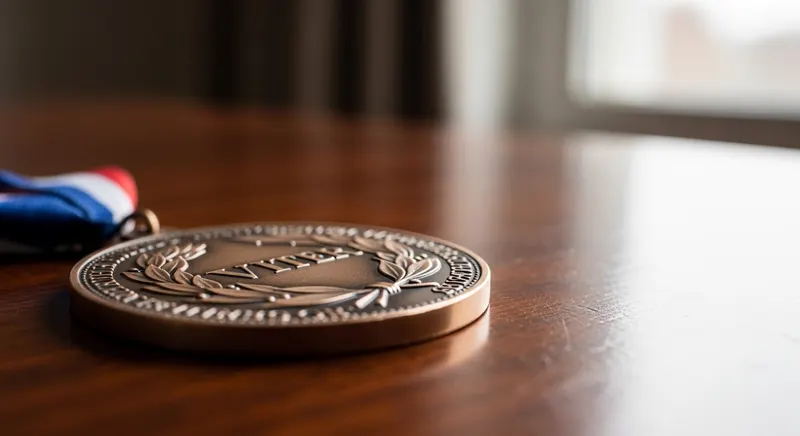
Ordering medals for your next sporting event, competition, or recognition programme might seem straightforward — but when you dig into the details, there’s a surprising amount to consider. From material quality and ribbon colours to minimum order quantities and turnaround times, getting bronze medals right can make a genuine difference to how your participants feel about their achievement. Whether you’re coordinating a primary school athletics carnival in Adelaide, managing a community football club in Brisbane, or running a state-level swimming championship on the Gold Coast, this guide covers everything you need to know to order bronze medals with confidence.
Why Bronze Medals Still Matter in the Age of Digital Recognition
In a world where achievements are increasingly acknowledged via email certificates, social media shoutouts, and digital badges, there’s something irreplaceable about holding a physical medal in your hand. Bronze medals, in particular, occupy a special place in the awards hierarchy. They’re the entry point into the podium — a tangible symbol that someone competed, showed up, and earned their place among the top three.
For sports clubs across Australia, medals remain one of the most cost-effective and emotionally resonant forms of recognition available. A child clutching their bronze medal at the end of a cross-country race at a Melbourne primary school sports day, or an under-12s netball team proudly wearing theirs at a Brisbane club presentation night — these moments carry real weight, and the medal is the physical anchor for that memory.
Beyond sports, bronze medals are also widely used in:
- Corporate recognition programmes — rewarding sales performance, safety milestones, or years of service
- Academic competitions — science fairs, debating competitions, music festivals, and maths olympiads
- Community events — fun runs, trivia nights, eisteddfods, and multicultural festivals
- Trade shows and expos — best stand, best product, or people’s choice awards
The point is, bronze medals aren’t just for elite athletes. They’re a versatile, meaningful recognition tool for any Australian organisation that values achievement.
Understanding the Different Types of Bronze Medals
Not all bronze medals are created equal, and understanding the key differences will help you make smarter purchasing decisions.
Metal Die-Cast Medals
These are the most traditional and premium option. Die-cast medals are made by pouring a zinc alloy (commonly called zamak) into a mould, creating a highly detailed, three-dimensional design. They’re then plated in a bronze finish. Die-cast medals feel substantial and look impressive, making them well-suited to serious competitions — state championships, national tournaments, and annual club awards nights.
Typical MOQs for die-cast custom medals start at around 50–100 units, and lead times can run to 3–6 weeks depending on complexity and whether tooling (mould creation) is involved for a fully custom shape.
Stamped Metal Medals
Stamped medals are cut from flat metal sheet and pressed with a design. They’re lighter and less three-dimensional than die-cast options, but they’re also more budget-friendly and faster to produce. They’re ideal for large-volume events where cost-per-unit is a key consideration — community fun runs, school sports carnivals, and multi-category competitions where hundreds of medals are needed.
Spinner and Multi-Insert Medals
A popular option for youth sports clubs, spinner medals feature a rotating central disc set within the medal body. They’re visually engaging and tend to be a big hit with younger athletes. Similarly, soft enamel or hard enamel inserts can add colour and detail to your bronze medals without the cost of fully custom tooling.
Economy Medals
For budget-conscious events — think primary school sports days, junior club carnivals, or large participation awards — economy medals offer a solid, attractive result at a lower price point. These are often stocked designs with your club’s name and event details printed or engraved on the reverse.
How Bronze Medals Are Customised
The level of personalisation available depends largely on your budget and order quantity. Here’s how the main decoration methods apply to medals:
Laser Engraving
Laser engraving is one of the most common and cost-effective ways to add personalisation to medals. You can engrave the medal’s reverse with event name, year, category, and even individual recipient names if quantities are manageable. The finish is clean, precise, and long-lasting — perfect for club presentation nights where individual names add a personal touch.
Soft and Hard Enamel Fill
Enamel colour fill is used to add vibrant colour to recessed areas on the medal surface. Soft enamel produces a slightly textured finish with raised metal edges, while hard enamel is polished flat for a smoother, premium look. Both options allow PMS colour matching, which is excellent for maintaining brand or club colour consistency.
Full Colour Epoxy Dome
An epoxy dome sticker or domed print applied to the medal face allows for full-colour, photographic-quality designs. This is a popular option for schools and clubs that want their logo or mascot reproduced in full colour without the cost of custom tooling.
Custom Ribbons
Don’t underestimate the ribbon. A custom-woven ribbon in your club or organisation’s colours elevates a standard medal into something that genuinely looks the part. Custom ribbons typically require a minimum order and a small additional cost, but the visual impact is worth it.
Budgeting for Bronze Medals: What to Expect
Cost is naturally a top consideration, especially for community clubs and not-for-profits operating on tight budgets. Here’s a rough guide to help you plan:
- Economy stock medals (25–50mm, standard finish, printed reverse): from approximately $2–$5 per unit in bulk
- Stamped metal medals with basic customisation: from approximately $4–$8 per unit
- Die-cast custom medals with enamel and custom ribbon: from approximately $8–$20+ per unit, depending on size, complexity, and quantity
- Custom tooling/mould fees: if you’re creating a fully bespoke medal shape, expect a one-off tooling fee of $200–$600+, which becomes more economical the more you order
Remember to factor in GST, freight costs (especially if you’re in Darwin or Hobart and ordering from an eastern seaboard supplier), and any artwork or setup fees. Always ask for a detailed quote that itemises these costs upfront.
If you’re planning a large-scale event with diverse recognition needs, it’s also worth thinking about your broader awards and merchandise strategy. For example, pairing medals with branded promotional items for summer events or complementary merchandise like custom stubby coolers for an end-of-season sports club presentation creates a more rounded, memorable experience for recipients.
Practical Tips for Ordering Bronze Medals in Australia
Start Earlier Than You Think You Need To
This is the number one mistake event organisers make. If your medals require custom tooling, allow at least 6–8 weeks from artwork approval to delivery. Even for stock medals with engraving or printing, 2–3 weeks is a comfortable buffer. Rush orders are possible with some suppliers, but they typically attract premium fees and can limit your decoration options.
Get Your Artwork Right First
Poor artwork is one of the biggest causes of delays and disappointing results. Prepare your logo or design as a high-resolution vector file (AI, EPS, or PDF format). This is especially important if you’re adding enamel colour work. If you’re also ordering other branded items for your event — say, custom promotional t-shirts for volunteers or varsity jackets for your winning team — having your artwork in vector format will streamline the entire process.
Order a Sample if the Budget Allows
For significant orders — particularly if you’re spending several thousand dollars on custom die-cast medals — request a pre-production sample before approving the full run. This lets you assess weight, finish quality, and colour accuracy before committing. Most reputable Australian suppliers can provide this service, though it typically extends your timeline by a week or two.
Think About Storage and Presentation
If medals are being individually presented at an event, consider how they’ll be displayed or packaged. Individual poly bags, velvet pouches, or presentation boxes all add a premium feel and protect the medal during transport.
Coordinate with Your Broader Awards Programme
If your organisation runs a comprehensive recognition programme, bronze medals are just one piece of the puzzle. Complement them with engraved trophies, printed certificates, and branded merchandise. For corporate recognition contexts, you might also consider pairing medals with items like branded water bottles or quality travel mugs as a more complete gift for high-achieving employees or long-service award recipients.
Common Mistakes to Avoid
- Underestimating quantities: Always order a small buffer above your confirmed participant count — you’ll almost certainly need a few extras for late entries, committee members, or keepsakes
- Ignoring ribbon options: A generic red/white/blue ribbon on a beautifully crafted bronze medal is a missed opportunity — match it to your brand or club colours
- Choosing size without seeing a sample: Medals look different in product photos versus real life. A 50mm medal feels surprisingly small on a 14-year-old footballer; a 70mm die-cast piece might be perfect
- Forgetting to include the year: Medals without a year on them lose context quickly — always include the event year (in 2026, your medals should clearly read “2026”) so recipients can look back on them years later
- Not checking for setup fees: These can catch you off guard — always get a full cost breakdown including any once-off fees before approving your order
Beyond medals themselves, a well-run event benefits from cohesive branded merchandise across the board. Whether that’s holographic stickers for a fun, youth-focused carnival, recyclable pens for sustainability-minded organisations, or even promotional safety signage for event infrastructure — every touchpoint matters.
If your event has an eco-conscious angle, it’s also worth exploring whether your awards supplier offers sustainable medal options — some manufacturers now produce medals incorporating recycled metals or eco-conscious packaging, which aligns well with a sustainability-focused brand identity.
Conclusion: Key Takeaways for Ordering Bronze Medals in Australia
Bronze medals remain one of the most meaningful and cost-effective recognition tools available to Australian sports clubs, event organisers, and businesses. Getting your order right involves more than just choosing a design — it requires thoughtful planning around budget, timelines, decoration methods, and the broader recognition experience you want to create.
Here are the key points to remember:
- Plan well ahead — allow a minimum of 3–4 weeks for standard orders and 6–8 weeks for fully custom die-cast medals
- Budget holistically — include setup fees, ribbons, packaging, and freight when comparing quotes
- Match the medal quality to the occasion — economy options work beautifully for large school carnivals, while premium die-cast medals suit serious competitions and annual club awards
- Prioritise artwork quality — high-resolution vector files will give you the best results across every decoration method
- Coordinate with your broader merchandise strategy — medals are more impactful when they’re part of a well-rounded event or recognition programme that reflects your brand consistently
Whether you’re a Perth surf club ordering 200 end-of-season medals, a Canberra corporate team building an employee recognition programme, or a Sydney school planning a cross-country carnival, getting your bronze medals right is absolutely achievable with the right preparation and the right supplier relationship.