
Custom Pins and Badges for Sporting Achievement Ceremonies: A Complete Australian Guide
Discover how to choose, design, and order custom pins and badges for sporting achievement ceremonies across Australia. Expert tips inside.

Written by
Valentina Rossi
Awards & Recognition
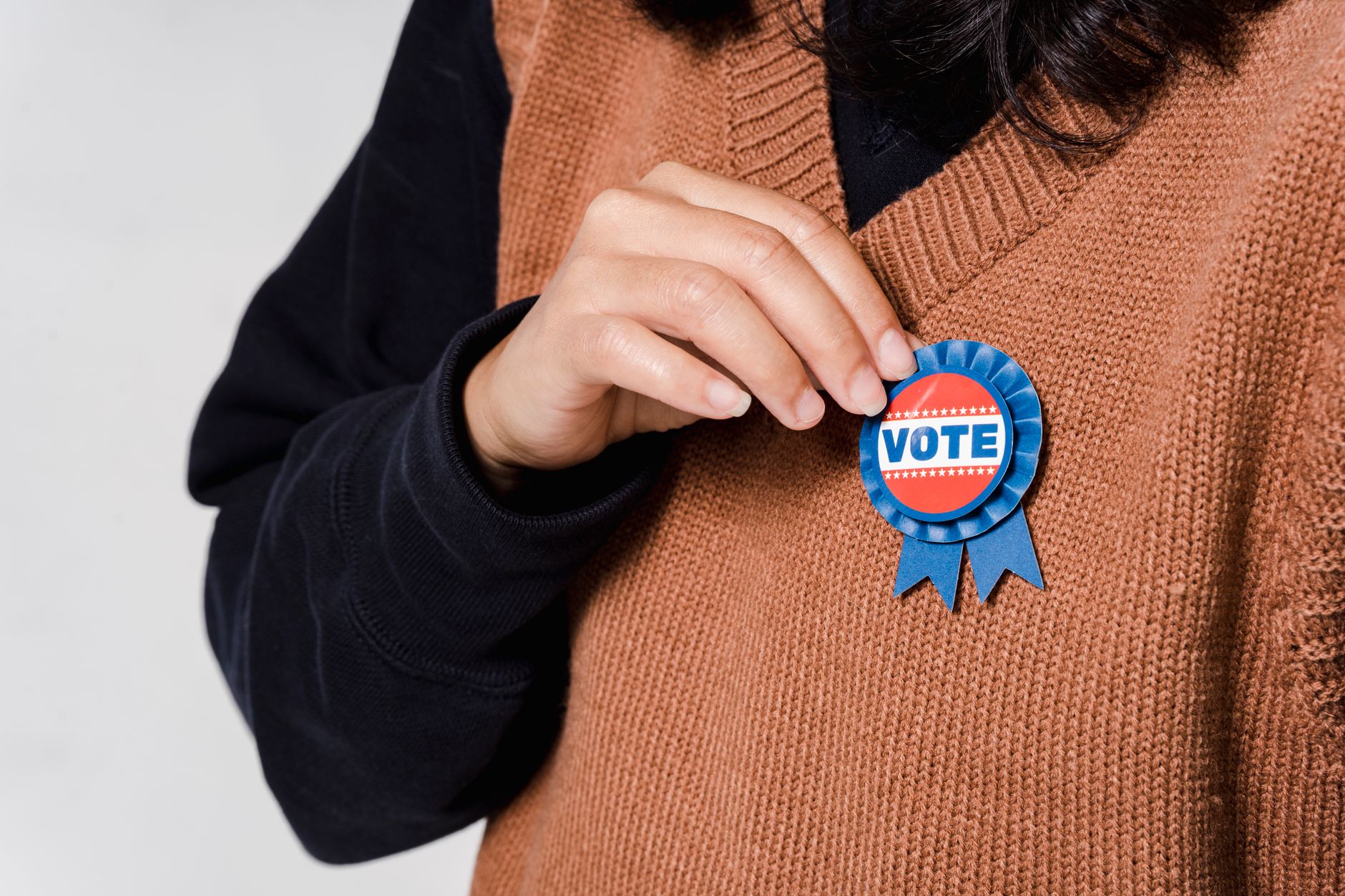
Sporting achievement ceremonies are powerful moments. Whether it’s a junior footy club in regional Queensland handing out end-of-season awards, a swimming association in Perth celebrating state champions, or a school athletics carnival in Adelaide recognising outstanding performers, these events leave lasting impressions — and the physical items presented at them matter more than many organisers realise. Custom pins and badges for sporting achievement ceremonies in Australia have become one of the most thoughtful, affordable, and enduring ways to honour athletic accomplishment, and when done well, they’re keepsakes athletes genuinely treasure for years.
If you’re planning an upcoming ceremony and weighing up your recognition options, this guide covers everything you need to know — from product types and decoration methods to MOQs, budgeting, and ordering timelines.
Why Custom Pins and Badges Work So Well for Sporting Achievement Ceremonies
There’s a reason pins and badges have been used in sporting recognition for over a century. They’re wearable, collectible, and carry genuine symbolic weight. Unlike a printed certificate that ends up in a drawer, a well-made badge gets worn on a sports bag, pinned to a jersey, or displayed in a trophy case. They communicate achievement instantly and often spark conversations.
For sporting clubs and associations operating on tight budgets, custom pins and badges also hit a practical sweet spot. They’re far more affordable than trophies or medallions in bulk, yet they carry a similar prestige when designed thoughtfully. A Brisbane netball club, for example, could order a full season’s worth of custom enamel badges for every award tier — best and fairest, most improved, top scorer — for a fraction of what custom trophies would cost.
Beyond the cost advantage, pins and badges are compact and easy to distribute. There’s no risk of items getting damaged in transit, no complex packaging requirements, and no awkward moments when the last trophy gets handed to the wrong recipient because the names weren’t clearly labelled. They’re practical from the organiser’s perspective and meaningful from the recipient’s.
Collectability and Long-Term Value
One underrated benefit of custom pins is their collectability. Many athletes — particularly juniors — build collections of pins from different competitions, clubs, and seasons. This is especially common in swimming, gymnastics, Little Athletics, and school sports. Designing a series of pins that change slightly each year (a different colour enamel, a date incorporated into the design, or a new event graphic) can turn your ceremony keepsakes into something athletes actively look forward to receiving year after year.
Types of Custom Pins and Badges Available in Australia
Understanding your product options is essential before you place an order. Not all pins and badges are created equal, and the right choice depends on your budget, design complexity, intended use, and how formal the ceremony is.
Die-Cast Enamel Pins
These are the premium end of the pin market. Die-cast enamel pins are made by stamping a metal mould and filling the recesses with hard or soft enamel. Hard enamel pins have a smooth, polished finish that sits flush with the metal border — ideal for detailed, multi-colour designs. Soft enamel pins have a slightly textured finish with raised metal edges, giving them a more tactile, dimensional look.
Both types are extremely durable and look professional at ceremonies. They suit formal sporting associations, state or national level competitions, and any event where the award needs to feel premium. Typical MOQs for enamel pins start around 100 units, though some suppliers will work with smaller runs for a higher per-unit cost.
Button Badges (Tin Badges)
Button badges — the classic circular tin badge with a pin back — are the most affordable option and can be produced at very low unit costs in large quantities. They’re suitable for mass participation events like school sports days, fun runs, or community sporting festivals where you want every participant to receive something without blowing the budget.
The trade-off is perceived value. Button badges feel less prestigious than enamel pins and are better suited to participation recognition rather than top-tier achievement awards. That said, a well-designed button badge with vibrant full-colour printing can still look great on a lanyard or bag. Speaking of lanyards, they’re a natural companion to badges at ceremonies — you can read more about designing custom lanyards online if you’re considering pairing the two.
Woven and Embroidered Badges
Woven and embroidered badges (also called patches) are a different form factor but serve a similar purpose. They’re fabric-based, usually with a heat-seal or iron-on backing, and are commonly used in team sports for jacket patches, jersey badges, or sleeve insignia.
Embroidered patches work particularly well for long-term affiliation recognition — club captains, hall of fame inductees, multi-year members, or coaches. Paired with a quality club polo, they create a cohesive, professional look. If your club uses custom polo shirts with embroidered logos, incorporating matching embroidered achievement patches into your awards programme creates a consistent, well-branded aesthetic.
Medallic Badges
Sitting between a traditional badge and a full medallion, medallic badges offer more weight and formality than a standard pin. They’re often used for podium placements at regional or state competitions — first, second, and third place finishes — where a medallion budget isn’t available but a button badge wouldn’t feel appropriate. They typically have a more substantial metal construction and can incorporate ribbon attachments.
Decoration Methods and Design Considerations
Getting the design right is critical. Your badges will only be as good as the artwork supplied and the production method chosen.
Colour Matching and Artwork
For enamel pins, PMS (Pantone Matching System) colour selection is standard. This ensures your club colours reproduce accurately rather than being approximated. Always supply your artwork in vector format (AI or EPS files) so the manufacturer can work from clean, scalable artwork. If your club doesn’t have a vector version of its logo, a graphic designer can redraw it — it’s worth the investment.
For button badges, full-colour digital printing is the norm, which means photographic images and complex gradients are achievable. The constraint here is the small surface area, so keep your design clean and legible.
Personalisation Options
Many sporting achievement ceremonies benefit from personalised elements — the recipient’s name, the year, or the specific award category incorporated into the badge design. For enamel pins, individual personalisation during manufacturing is difficult at standard quantities. Instead, consider pairing a generic club badge with a personalised certificate for the sporting achievement ceremony — this gives you the best of both worlds: a keepsake badge and an individually named document.
For button badges, short-run digital printing means individualisation is more achievable, though per-unit costs rise significantly for small batches.
Ordering Timelines and Practical Considerations
One of the most common mistakes sporting clubs make when ordering custom pins and badges is leaving it too late. Enamel pins, in particular, require manufacturing lead time because each badge involves tooling a die and a production run. From artwork approval to delivery, allow:
- Button badges: 5–10 business days for standard orders
- Soft enamel pins: 3–5 weeks, including shipping from manufacturer
- Hard enamel pins: 4–6 weeks
- Embroidered patches: 2–4 weeks depending on complexity
If you’re ordering from offshore manufacturers (which most Australian suppliers do for enamel pins), factor in shipping time and any potential customs delays. Ordering at least 6–8 weeks ahead of your ceremony date is a sensible buffer.
Budgeting for Custom Pins and Badges
Budget varies significantly by product type and quantity. As a rough guide for Australian buyers in 2026:
- Button badges (50mm): $0.80–$2.50 per unit at 100+ quantities
- Soft enamel pins (25–40mm): $3.50–$8.00 per unit at 100+ quantities
- Hard enamel pins: $5.00–$12.00 per unit at 100+ quantities
- Embroidered patches: $2.50–$6.00 per unit at 100+ quantities
Keep in mind that setup fees (for die creation, artwork setup, or screen setup) are typically a one-off cost. If you plan to reorder the same design in subsequent seasons, you often won’t pay setup fees again — a significant saving.
Many clubs running multi-sport programmes find it useful to source a range of recognition items in the same order cycle. Branded drinkware is a popular add-on for achievement ceremonies — our guide on promotional drinkware and consumer behaviour is worth reading if you’re considering bundling water bottles or keep cups into your awards.
Choosing the Right Custom Pins and Badges for Sporting Achievement Ceremonies in Australia
The right product depends on your specific context. Here’s a quick decision framework:
Choose hard enamel pins when: You’re recognising top-tier achievement, the award needs to feel premium, and you have lead time to plan ahead.
Choose soft enamel pins when: You want the look and feel of enamel at a slightly lower price point, and your design has moderate complexity.
Choose button badges when: You’re running a high-volume, community-level event on a tight budget and want every participant to receive something.
Choose embroidered patches when: The award is being incorporated into uniforms or apparel, or you want a fabric-based keepsake with tactile texture.
If your event also involves other branded items — sponsors’ gear, event lanyards, or team merchandise — it’s worth coordinating your badge order alongside those items to simplify logistics. For events with a strong sponsor presence, pairing badges with other sponsor-branded merchandise (like caps — see our post on pad printing on custom caps in Australia) creates a cohesive event package.
For clubs involved in outdoor or fishing sports, custom achievement pins can complement other custom fishing gear used in sports sponsorships, extending the branded experience beyond the ceremony itself.
If you’re running a large sporting event in Brisbane or surrounding areas, it’s also worth exploring the broader range of promotional products available in Brisbane to coordinate your full event merchandise in one place.
Conclusion: Key Takeaways
Custom pins and badges for sporting achievement ceremonies in Australia are one of the most effective and cost-efficient recognition tools available to clubs, associations, and schools. Done well, they become lasting keepsakes that athletes wear with pride and collect over years. Here are the key things to remember:
- Plan ahead — enamel pins require 4–6 weeks of lead time; start the process at least 8 weeks before your ceremony
- Match the product to the award tier — use premium enamel pins for top achievers and button badges for participation recognition
- Invest in good artwork — vector files and PMS colour matching ensure your badges look professional and on-brand
- Consider pairing badges with personalised certificates for named, individual recognition alongside the physical keepsake
- Think about collectability — designing a series of pins with subtle year-to-year variation encourages athletes to value and retain them
- Budget smartly — setup fees are usually one-off costs, so reordering the same design in future seasons reduces per-unit expense significantly