
How to Create Personalised Certificates for Sporting Achievement Ceremonies in Australia
Discover how to design and order personalised certificates for sporting achievement ceremonies in Australia — tips on printing, design, and budgeting.

Written by
Valentina Rossi
Awards & Recognition
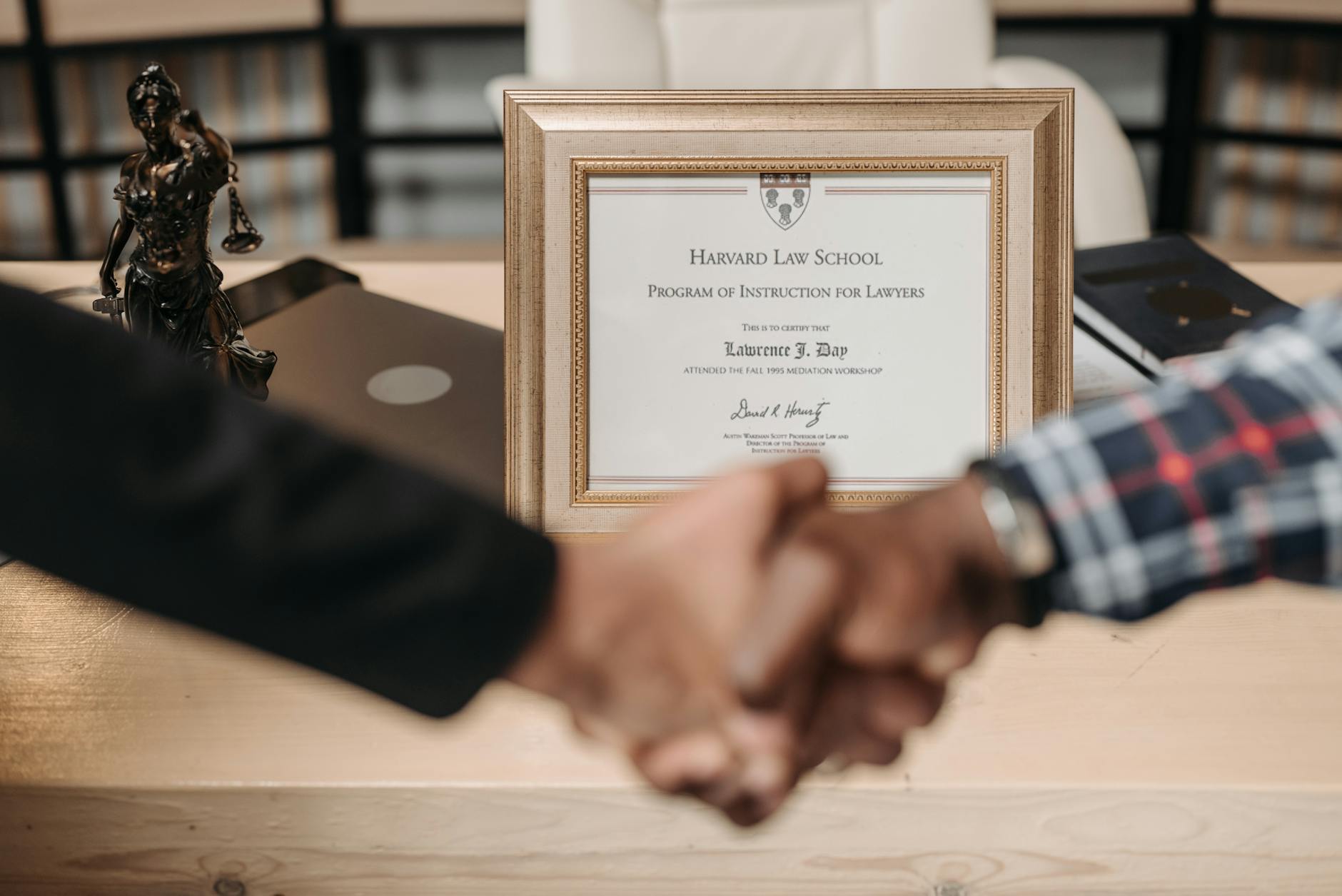
Sporting achievement ceremonies are moments that matter. Whether it’s a Sydney swimming club wrapping up its summer season, a Brisbane primary school hosting its annual sports day presentation, or a Melbourne football association recognising its best and fairest players, these events carry real emotional weight. The certificates handed out on the night — or the day — aren’t just pieces of paper. They’re keepsakes that athletes, students, and competitors will hold onto for years, sometimes decades. Getting them right is well worth the effort.
This guide walks you through everything you need to know about personalised certificates for sporting achievement ceremonies in Australia: from design and printing methods through to ordering timelines, budgeting, and the small details that separate a forgettable printout from something genuinely impressive.
Why Personalised Certificates Still Matter in the Age of Trophies and Medals
It’s tempting to assume that certificates have been overshadowed by flashier recognition options — engraved trophies, custom medals, or branded merchandise. But the reality is that a well-designed, personalised certificate holds its own for several reasons.
First, certificates are accessible. A sporting club running on a tight community budget can produce a professional-looking certificate for a fraction of the cost of a trophy. Second, they’re lightweight and easy to transport — important when you’re running a regional athletics carnival in Toowoomba or a cross-country event in the Adelaide Hills. Third, and perhaps most importantly, personalisation makes them meaningful. A certificate that reads “Awarded to Mia Nguyen, Most Improved Swimmer, Northside Swimming Club, March 2026” is infinitely more valuable than a generic ribbon or participation badge.
That said, the difference between a memorable certificate and a forgettable one comes down almost entirely to design, paper quality, and how the personalisation is executed.
Key Design Elements for Sporting Achievement Certificates
Choosing the Right Layout and Dimensions
Most certificates follow an A4 landscape format, which works beautifully for display in frames. However, depending on your event, you might consider A5 certificates for junior participants, or even a premium A3 format for major award winners like “Athlete of the Year” or “Club Champion.”
Your layout should include:
- A clear award title — bold, legible, and prominent
- The recipient’s full name — this is the most personal element and should be sized generously
- Your club, school, or organisation’s name and logo
- The event name and date
- A signature line — from the club president, principal, or event director
- Optional: a brief achievement description (“For outstanding sportsmanship throughout the 2026 season”)
Avoid overcrowding the design. White space is your friend. A clean, professional layout communicates that your organisation takes its recognition seriously.
Selecting Colours and Branding
Your certificate should reflect your club or organisation’s brand identity. If your sporting club’s colours are navy and gold, carry those through the certificate border, heading, and logo placement. Consistency between your on-field gear and your recognition materials signals professionalism.
If you’re uncertain about colour matching, speak with your printer about PMS (Pantone Matching System) options. This ensures the navy on your certificate matches the navy on your custom club lanyards or merchandise, creating cohesion across all branded items at your event.
Paper Stock and Finish Options
This is where many clubs and schools undersell themselves. Printing a beautiful design on thin, copier-grade paper is a missed opportunity. For sporting achievement certificates, consider:
- 200–300gsm matte stock — professional feel, holds ink beautifully
- Gloss laminate — vibrant colours, eye-catching finish
- Soft-touch matte laminate — premium, tactile quality that feels expensive
- Foil stamping — gold or silver foil on award titles or borders adds a luxurious touch for major events
- Embossing or debossing — a raised or recessed logo or border element creates a truly memorable keepsake
For large-scale events like a Gold Coast school sports day with 200+ participants, keeping to a quality uncoated 250gsm stock with digital printing will give you great results cost-effectively. For a smaller, prestige ceremony — think an annual state-level athletics award night — foil finishing is worth every cent.
Printing Methods for Personalised Certificates
Digital Printing: The Go-To for Variable Data
When every certificate needs a different name, category, or achievement description, digital printing with variable data capability is your best friend. This method allows each certificate to be printed with unique information in a single print run, without the need for manual editing between copies.
It’s the standard approach for most Australian sporting clubs and schools. Turnaround times are typically five to ten business days once artwork is approved, though many printers offer express options for tight timelines. If you’re in a regional area — say, Darwin or Hobart — factor in freight time when planning your order.
Offset Printing for Bulk Generic Certificates
If you’re producing a large batch of certificates where only the name changes and you’re handling personalisation separately (via a calligrapher, rubber stamp, or printed label), offset printing can offer cost savings at high volumes. However, for most sporting clubs and schools, digital printing’s flexibility makes more sense.
Laser Engraving and Embossing Add-Ons
For a premium feel, some organisations order pre-printed certificate blanks and add a laser-engraved detail — a logo seal, for instance — before the event. This works particularly well on heavier cardstock and gives ceremonies a formal, distinguished tone.
Organising Your Certificate Order: A Step-by-Step Process
Step 1: Confirm Your Awards List Early
Before you touch a design file, lock in your full list of awards. How many individual certificates do you need? How many different award categories? This determines your print specifications and helps you budget accurately.
Step 2: Prepare Your Artwork
Work with a graphic designer or use your printer’s templates. Supply your logo in a high-resolution vector format (AI, EPS, or PDF). If your club has consistent branding across your promotional products in Brisbane or other merchandise, make sure your certificate aligns with that visual identity.
Step 3: Provide Your Personalisation Data
Prepare a clean spreadsheet with every recipient’s name, award title, and any other variable text fields. Accuracy here is critical — a misspelled name on an achievement certificate is one of those small but deeply awkward mistakes that can overshadow an otherwise excellent event.
Step 4: Proof Approval
Always request a printed proof or a high-resolution digital proof before your full run is produced. Check every name, every date, every word. It is significantly cheaper to catch an error at the proof stage than to reprint 150 certificates.
Step 5: Allow Adequate Lead Time
For most print orders, allow a minimum of two weeks from artwork approval to delivery. If your event is in regional Western Australia or a remote Northern Territory location, build in extra time. Rush jobs are possible but come at a premium, and they increase the likelihood of errors slipping through.
Budgeting for Sporting Achievement Certificates
Certificate costs vary considerably depending on quantity, paper stock, and finish. Here’s a rough guide for Australian sporting clubs and schools:
- Basic digital print, 200gsm, A4: $1.50–$3.50 per unit at typical volumes
- Premium laminated certificate, 300gsm: $3.00–$6.00 per unit
- Foil-stamped or embossed certificate: $6.00–$12.00+ per unit
- Custom certificate frames (optional but adds presentation value): $5.00–$20.00 per unit
For a school sports carnival awarding 200 certificates, a solid mid-range option might come in at $600–$800 all up. For a prestige sporting club’s annual awards night honouring 30 athletes with premium foil certificates, you might spend $300–$400 — and the impact will be significant.
Pairing Certificates with Other Recognition Items
Certificates work best when they’re part of a broader recognition experience. Consider complementing them with:
- Branded medals or trophies for top achievers
- Custom merchandise packs — a quality promotional drinkware item like a branded water bottle makes a practical and lasting gift alongside a certificate
- Custom caps for team or club champions — explore pad printing on custom caps for a clean, professional decoration finish
- Event lanyards printed with the event name and year, which participants wear on the day and keep as mementos
If your organisation also runs volunteer or staff recognition, consider how custom lanyards and other branded items can extend your recognition programme beyond athletes alone. Volunteers are the backbone of Australian community sport, and acknowledging them with even a small personalised item makes a real difference.
Clubs running full-day events may also find value in thinking through practical branded gear — even items like promotional first aid kits for your event setup kit, or yellow hi-vis jackets for event marshals, contribute to a polished and professional presentation.
Common Mistakes to Avoid
- Leaving it too late. Certificate printing is often the last item on the to-do list. Don’t let it be.
- Using low-resolution logos. Pixelated artwork on a certificate undermines the entire effort.
- Forgetting to proofread the variable data. Names matter to people. Get them right.
- Underestimating quantity. Always order five to ten per cent more than your confirmed list — late additions happen.
- Choosing style over legibility. A beautiful script font that’s impossible to read is worse than a plain, clear one.
Conclusion: Key Takeaways
Personalised certificates for sporting achievement ceremonies in Australia don’t need to be complicated or expensive — but they do need to be thoughtful. When done well, they become genuine keepsakes that athletes, students, and families treasure.
Here are the key points to carry forward:
- Plan early — confirm your awards list and start the design process at least four weeks before your event
- Invest in paper quality — the feel of a certificate matters as much as the design; 250–300gsm stock with a quality finish makes a significant difference
- Use variable data digital printing for personalised runs — it’s efficient, accurate, and cost-effective
- Proof everything — especially names and dates, before approving your full print run
- Think holistically — a certificate is most impactful when it’s part of a wider recognition experience that includes other branded merchandise and event presentation elements
Whether you’re organising a small community club presentation night in Canberra or a large regional school sports carnival in Perth, getting your personalised certificates right is a small investment that pays dividends in goodwill, pride, and community spirit.