
What to Look for When Choosing a Promo Brands Supplier in Australia
Discover how Australian businesses, marketing teams and sports clubs can find the right promo brands partner for quality, service and results.

Written by
Rani Gupta
Branding & Customisation
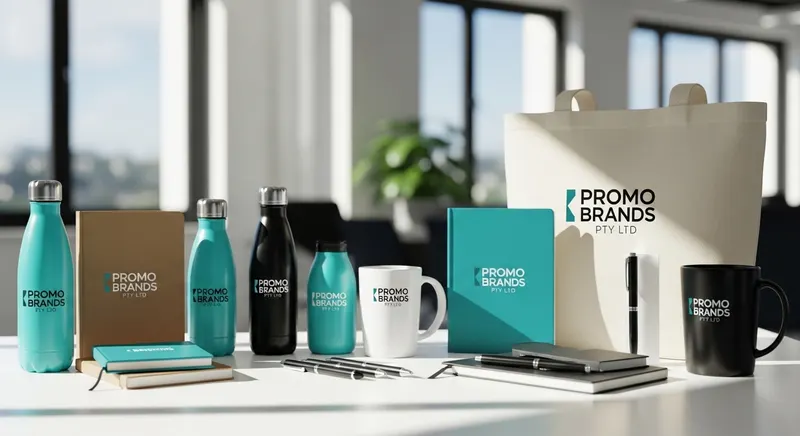
Choosing the right promotional products partner can make or break your next brand activation, event campaign, or team kit rollout. Whether you’re a marketing manager in Sydney preparing for a national conference, a sports club in Brisbane kitting out your players for the season, or a small business owner in Perth trying to make a lasting impression on new clients, the supplier you choose matters enormously. The world of promo brands in Australia is vast — and navigating it without a clear framework can lead to wasted budget, missed deadlines, and products that simply don’t do your brand justice. This guide is designed to help you cut through the noise and make confident, informed decisions.
Understanding What “Promo Brands” Actually Means
In the promotional products industry, the term “promo brands” refers to both the branded merchandise itself and the suppliers or companies that produce, source, and decorate those items with your logo or custom artwork. When Australian businesses and organisations search for promo brands, they’re typically looking for a reliable partner who can supply quality products, apply their branding accurately, and deliver on time — ideally at a price point that suits their budget.
It’s worth understanding that the promotional products supply chain in Australia typically involves three key players: manufacturers (often based overseas, particularly in China or the broader Asia-Pacific region), local distributors and wholesalers, and decorator/fulfilment businesses. Some suppliers do everything in-house; others outsource decoration or freight. Knowing where your supplier sits in that chain can help you assess turnaround times, quality control capabilities, and pricing transparency.
For marketing teams managing complex campaigns, this distinction matters. A supplier who decorates in-house has more control over quality and timing — critical when you’re up against a hard launch date or conference deadline.
Key Factors to Evaluate When Choosing a Promo Brands Partner
Not all promotional product suppliers are created equal. Here’s what experienced procurement teams and marketing professionals look for when vetting a promo brands partner in Australia.
Product Range and Quality
A strong promotional products partner should offer a diverse, high-quality catalogue that spans multiple categories. You want access to everything from branded water bottles and travel mugs to custom varsity jackets, Thule backpacks, and promotional tees — ideally from recognised, quality product brands that recipients will actually value and use.
Be wary of suppliers whose range appears thin or generic. Strong suppliers typically carry products from established brands in categories like drinkware, bags, and apparel — items that offer longevity and perceived value. Water bottle brands vary significantly in quality, for example, and your choice of product brand can directly impact how your merchandise is received.
Always request physical samples before committing to a large run. Most reputable suppliers will offer pre-production samples (sometimes at a small cost) so you can assess the product quality, decoration accuracy, and finish before the full order is confirmed.
Decoration Capabilities and Expertise
The decoration method used on your promotional products should suit both the product material and the branding outcome you’re after. Screen printing, embroidery, pad printing, laser engraving, sublimation, and heat transfer each have different strengths — and a knowledgeable supplier will guide you toward the right method for each item.
For instance, if your club or organisation is ordering stubby coolers, screen printing or digital printing typically delivers the best full-colour result. Embroidery is the gold standard for corporate polos and caps. School uniform embroidery services require particular attention to thread colour matching and durability through repeated washes. And if you’re looking at tech products like promotional USB sticks, laser engraving delivers a premium, long-lasting brand impression.
Ask potential suppliers which decoration methods they handle in-house versus subcontracting out. In-house capabilities generally mean faster turnaround and tighter quality control.
Minimum Order Quantities and Pricing Transparency
Minimum order quantities (MOQs) vary significantly across product categories and suppliers. Some items — particularly imported products — may carry MOQs of 100, 250, or even 500 units. Others, like locally stocked products, may be available from as few as 25 units.
For smaller organisations or those trialling a new product, high MOQs can be a barrier. It’s worth asking suppliers if they carry locally stocked items with lower minimums for urgent or smaller orders.
Pricing transparency is equally important. Setup fees, freight charges, and artwork fees should be clearly itemised — not buried in fine print. A trustworthy promo brands partner will provide a clear, all-inclusive quote that breaks down unit cost, decoration cost, setup fees, and delivery to your location, whether that’s a Hobart office or a Darwin sporting club.
Turnaround Times and Reliability
Promotional merchandise is almost always time-sensitive. Whether you’re ordering for a trade show in Melbourne, a school sports day in Adelaide, or a summer client gifting campaign, your supplier needs to deliver on time — every time.
Typical turnaround times in Australia run from 7 to 15 business days for standard orders once artwork is approved. Rush turnarounds of 3 to 5 business days are sometimes available for locally stocked products but usually attract a surcharge. For sustainable promo products or items sourced from overseas, allow additional lead time — particularly around Chinese New Year or end-of-year peak periods.
Always confirm your required delivery date upfront and get written confirmation from your supplier that it’s achievable. Building in a buffer of at least 5 business days on your end is wise practice.
What Good Looks Like: Sectors and Use Cases
Understanding how different sectors use promotional merchandise can help you benchmark your own brief and identify whether a supplier has relevant experience in your space.
Corporate and Marketing Teams
For marketing teams, promo brands play a role across the full marketing funnel — from brand awareness at events and trade shows, through to client retention via corporate gifting. Popular categories include quick-dry towels and gym towels for wellness campaigns, tea infuser bottles and travel mugs for premium gifting, and holographic stickers for creative packaging and brand activations.
Summer branded gifts for suppliers are a particularly effective way to maintain relationships during the holiday period — and thoughtful, high-quality products leave a far stronger impression than cheap, disposable items.
Sports Clubs and Associations
For sports clubs across Australia, promotional products serve a dual purpose: team identity and revenue generation. Clubs often invest in branded apparel, water bottles, bags, and accessories for players and supporters alike. Syzmik workwear is a popular choice for clubs that need high-visibility or performance-oriented garments.
When evaluating a supplier for sports merchandise, look for experience with bulk apparel orders, knowledge of heat transfer and sublimation for custom team kits, and the ability to manage individual or group sizing runs efficiently.
Sustainability-Focused Organisations
More and more Australian businesses and government departments are prioritising eco-conscious procurement. If your organisation has sustainability commitments, look for suppliers who can offer recyclable pens, bamboo products, organic cotton apparel, reusable drinkware, and other verified sustainable options. Ensure claims around sustainability are backed by certifications or material sourcing transparency — vague “eco-friendly” labelling isn’t enough.
Building a sustainability brand through your merchandise choices sends a genuine signal to staff, clients, and the public. It’s worth investing time in finding a supplier who takes this seriously.
Don’t Overlook Safety, Signage, and Niche Categories
Promotional products extend well beyond pens and tote bags. For construction companies, councils, and trade businesses, promotional safety signage with company branding is an important and often underutilised category. Branded hard hats, safety vests, and site signage reinforce both brand identity and workplace safety culture.
Similarly, niche products like promotional sunscreen are highly relevant for outdoor events, particularly in Queensland, Western Australia, and the Northern Territory where sun exposure is a genuine concern. These products align your brand with wellbeing and are genuinely useful to recipients — a winning combination.
Questions to Ask Any Promo Brands Partner Before Committing
Before signing off on any quote or placing an order, here are the essential questions to put to any promotional products supplier:
- Do you handle decoration in-house or outsource it? This affects quality control and turnaround.
- What is your sample process and cost? Always see the product before committing to volume.
- Are your prices all-inclusive? Confirm what’s included (setup fees, freight, GST).
- What file formats do you require for artwork? Vector files (AI, EPS, PDF) are the industry standard.
- Can you provide PMS colour matching? Colour accuracy matters for brand consistency.
- What happens if there’s a production error? Know the supplier’s policy on reprints and remediation.
- Do you have experience in my sector? Relevant experience saves time and avoids rookie mistakes.
- What are your payment terms? Most suppliers require a deposit upfront and balance before dispatch.
Conclusion: Making the Right Call on Your Promo Brands Partner
Finding the right promo brands partner in Australia is about more than price — it’s about capability, reliability, transparency, and alignment with your brand values. Whether you’re a marketing team running a national campaign, a sports club ordering seasonal merchandise, or a business investing in client gifting, the partner you choose will directly influence the quality of your results.
Here are the key takeaways to guide your decision:
- Prioritise quality and product range — look for suppliers with diverse, high-quality catalogues from recognised product brands.
- Verify decoration capabilities — in-house decoration typically means better quality control and faster turnarounds.
- Demand pricing transparency — all costs, including setup fees, freight, and GST, should be clearly itemised in any quote.
- Plan for lead times — build buffer time into your project schedule, especially for overseas-sourced products.
- Ask about sustainability — if it matters to your organisation, ensure your promo brands partner can back up eco-claims with real product credentials.
- Choose sector experience — a supplier who understands your industry will anticipate your needs and flag issues before they become problems.
Do your due diligence, ask the right questions, and you’ll be well on your way to a promotional merchandise partnership that delivers genuine value for your brand.