
The Complete Guide to Embroidered Merchandise for Australian Businesses and Sports Clubs
Discover how embroidered merchandise elevates your brand. Tips on products, decoration methods, costs & ordering for Aussie businesses and clubs.

Written by
Rani Gupta
Branding & Customisation
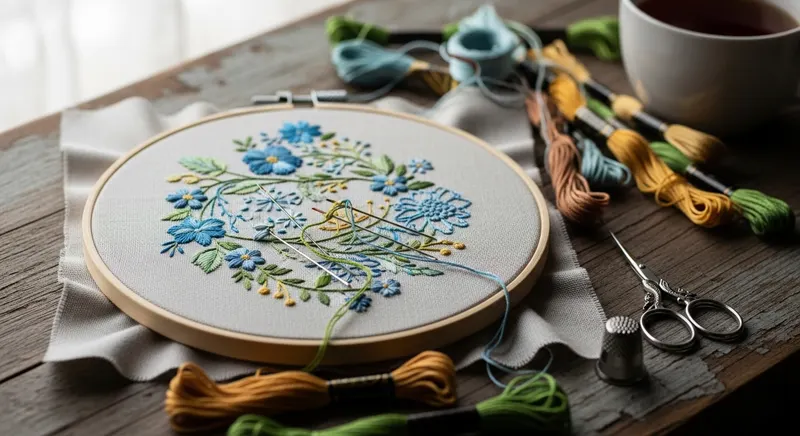
When it comes to branded merchandise that genuinely looks premium, few decoration methods can compete with embroidery. There’s something unmistakably professional about a crisply stitched logo on a polo shirt or a team name threaded into the front panel of a cap — it signals quality, permanence, and pride. For Australian marketing teams, businesses, and sports clubs, embroidered products represent one of the most enduring investments in brand visibility you can make. Unlike printed designs that can fade or crack over time, embroidery is durable, tactile, and carries an air of prestige that resonates with recipients. Whether you’re kitting out a corporate team in Sydney, outfitting a Brisbane footy club, or ordering custom gear for a Perth trade expo, this guide covers everything you need to know about making embroidery work for your brand.
What Is Embroidery and Why Does It Matter for Branding?
Embroidery is the process of decorating fabric using a needle and thread to create a design, logo, or text directly stitched into the material. Modern commercial embroidery uses computerised machines that translate digital artwork into thousands of precisely placed stitches, producing consistent, high-quality results at scale.
The reason embroidery has remained the decoration method of choice for professional apparel and accessories comes down to a few key qualities:
- Longevity: Embroidered designs last as long as the garment itself. There’s no cracking, peeling, or fading — the stitched thread is integral to the fabric.
- Tactile quality: Running your fingers over an embroidered logo delivers a tangible sense of quality that print simply cannot replicate.
- Professional appearance: Whether it’s a corporate polo, a sports club cap, or a custom varsity jacket, embroidery elevates the perceived value of any item.
- Versatility: Embroidery works beautifully on a wide range of fabrics and product types, from structured caps and fleece hoodies to tote bags and jackets.
It’s worth understanding when embroidery is the right choice compared to other methods. For instance, our guide to screen printing explores how that method suits large flat areas with bold designs — a different use case altogether. Knowing when to use each technique is part of sourcing branded merchandise strategically.
Products That Work Best with Embroidered Decoration
Not every product category suits every decoration method, and embroidery is no exception. It excels on thicker, structured, or woven fabrics but can be trickier on very lightweight or stretchy materials. Here are the product categories where embroidery truly shines.
Caps and Headwear
Custom caps are arguably the most popular embroidered product category in Australia. Structured six-panel caps, five-panel styles, and beanies all lend themselves perfectly to embroidered logos on the front panel or side. The firm surface of a structured cap allows for clean, detailed stitch work that looks sharp and professional. Sports clubs across Melbourne, Adelaide, and the Gold Coast regularly order embroidered caps for their teams, and corporate organisations use them as branded giveaways and staff uniforms.
Polo Shirts and Corporate Apparel
A well-fitted polo shirt with a precisely embroidered chest logo is the cornerstone of corporate uniform programs across Australia. Embroidery is the preferred method for polos because it handles repeated washing, holds colour beautifully, and communicates professionalism on the shop floor, at client meetings, or out in the field. The same applies to button-up shirts, fleece jackets, and softshell vests.
Custom Varsity and Bomber Jackets
Premium outerwear is a natural home for embroidery. A custom varsity jacket with embroidered lettering and a team patch is a statement piece for sporting clubs, university groups, and fashion-forward brands alike. The heavier fabric of these jackets accommodates even complex embroidered designs without puckering or distortion.
Bags and Totes
Canvas bags, backpacks, and travel accessories all accept embroidery well. If your marketing team is considering branded carry items, a Thule backpack with a discreetly embroidered logo makes an exceptional corporate gift — functional, premium, and visibly branded without being garish. Likewise, totes with zippers can be elevated significantly with embroidered branding compared to a simple printed logo.
Towels and Leisure Items
Embroidered branding on gym towels is a popular choice for health clubs, personal trainers, and sports associations. The texture of towel fabric means printing can be inconsistent, while embroidery sits cleanly on the terry weave and maintains its appearance through heavy, frequent washing.
Workwear
High-visibility workwear and uniforms in trades and construction often feature embroidered logos for exactly the same reason as corporate apparel — durability. If you’re exploring workwear options, our overview of Syzmik workwear shows how quality garments pair with quality decoration for long-lasting results on the job site.
Understanding Embroidery Setup and Pricing
One of the most common points of confusion for first-time buyers is how embroidery is costed. Unlike screen printing where pricing is largely based on the number of colours, embroidery is primarily priced by stitch count — the total number of individual stitches that make up your design.
What Is a Digitising Fee?
Before your artwork can be embroidered, it needs to be converted into an embroidery file (typically a .DST or .EMB format) through a process called digitising. A skilled digitiser manually maps out each stitch path, direction, and type to ensure the machine produces a clean result. This one-time setup fee typically ranges from $30 to $80+ depending on the complexity of the design.
The good news: once your design is digitised, that file is stored and reused for future orders at no additional cost. For ongoing uniform programs, this is excellent value.
Stitch Count and Pricing Tiers
A simple chest logo on a polo might require 5,000–8,000 stitches, while a large back design could exceed 20,000 stitches. Higher stitch counts mean longer machine run time, which translates to higher per-unit costs. For most corporate logos and club crests, the sweet spot is a clean, well-sized chest embroidery in the 5,000–10,000 stitch range.
Minimum Order Quantities
MOQs for embroidered apparel typically start at 6–12 pieces, though many suppliers are flexible for premium garments. Ordering larger quantities (24 units, 50 units, 100+) brings per-unit costs down considerably, making embroidery increasingly cost-effective at scale.
Artwork Requirements for Embroidered Products
Getting your artwork right before submission saves time and money. Here’s what you need to know:
- Vector files are ideal: AI, EPS, or high-resolution PDF files give digitisers the cleanest reference to work from.
- Simplify fine detail: Very thin lines, tiny text (under 4mm height), and intricate gradients are difficult to replicate in thread. Your digitiser may suggest simplifying these elements.
- Colour limitations: Embroidery thread is matched to a Madeira or Isacord thread colour chart rather than Pantone. PMS matching is approximate, so discuss thread colour selections carefully with your supplier.
- Request a digital proof: Always ask for a digital stitch-out preview or physical sample on your actual garment before committing to a full run.
Speaking of sampling, this principle applies across the promotional products industry. Whether you’re ordering embroidered uniforms, printed stubby coolers, or custom umbrellas wholesale, seeing a proof before full production is non-negotiable.
Embroidery for Schools and Education
Schools across Australia lean heavily on embroidered uniforms, and for good reason. The durability of embroidery stands up to the rigours of the school environment — PE classes, art rooms, playgrounds. If you’re sourcing uniforms for an educational institution, our dedicated resource on school uniform embroidery services covers what to look for in a supplier and how to manage bulk school orders efficiently.
Pairing Embroidered Apparel with a Broader Merch Mix
The most effective branded merchandise programs don’t rely on a single product category. Embroidered apparel is a cornerstone, but it works best when supported by complementary items that reinforce your brand at every touchpoint.
Consider pairing embroidered team polos with:
- Branded water bottles for staff or event giveaways
- Travel mugs and coffee cups for client gifts
- Branded wristbands for events to complement your team’s uniform on event day
- Summer branded gifts for suppliers that complement a seasonal uniform refresh
If sustainability is a priority for your brand, you can also integrate sustainable promotional products alongside your embroidered apparel program. Many eco-conscious organisations are now building out sustainability brand narratives through every element of their merchandise mix — from organic cotton garments to recycled accessories.
Common Mistakes to Avoid When Ordering Embroidered Merchandise
- Not requesting a digitised proof: Always see how your logo looks in thread before approving the full run.
- Choosing the wrong stitch placement: A logo that works at A4 size may need to be resized significantly to sit correctly on a cap front or shirt chest pocket area.
- Underestimating lead times: Embroidery requires digitising, sampling, and production. Budget for a 2–3 week turnaround for standard orders, and longer for large quantities or complex designs.
- Ignoring garment selection: The quality of the embroidery is only as good as the garment underneath it. Invest in quality base products.
- Ordering too few: Embroidery’s per-unit cost drops significantly with volume. If you anticipate needing more garments within six months, consolidate your order.
Key Takeaways
Embroidery is one of the most powerful tools in a brand’s merchandise arsenal — but like any technique, its success depends on informed decision-making from the outset. Here are the essential points to carry forward:
- Embroidery excels on structured fabrics — caps, polos, jackets, bags, and workwear are ideal candidates for this decoration method.
- Stitch count drives pricing, and a one-time digitising fee gives you a reusable file for all future orders — making it increasingly cost-effective over time.
- Artwork preparation matters: submit clean vector files, simplify fine detail, and always request a proof before approving production.
- Pair embroidered apparel with complementary branded products to build a cohesive, high-impact merchandise program across your organisation.
- Plan ahead: allow 2–3 weeks for standard orders and factor in sampling time, especially for high-volume uniform programs or event deadlines.
Whether you’re a Melbourne corporate team building out a new uniform program, a Canberra sporting club refreshing your playing kit, or a Brisbane business investing in premium client gifts, embroidered merchandise done well is a long-term asset for your brand. The stitching speaks for itself.