
Event Wristbands in Australia: The Complete Guide for Organisers and Marketers
Everything Australian marketers and event organisers need to know about event wristbands — types, materials, printing, and ordering tips.

Written by
Yuki Taniguchi
Event Merchandise
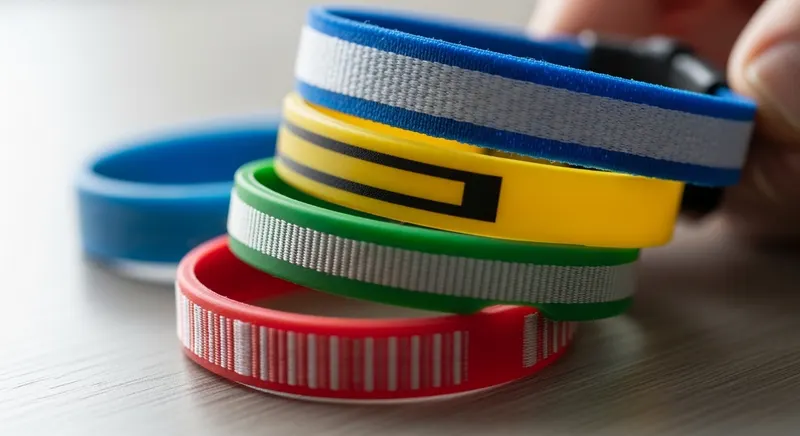
Planning a successful event in Australia — whether it’s a music festival in Byron Bay, a corporate conference in Melbourne’s CBD, or a sporting carnival on the Gold Coast — involves hundreds of moving parts. Among the most practical yet often underestimated items on any event checklist are event wristbands. These small but mighty accessories do far more than control access; they reinforce your brand, create lasting impressions, and can even serve as a keepsake that attendees take home long after the event wraps up. If you’re responsible for organising an event and you’re not yet thinking strategically about your wristbands, this guide will change the way you approach them entirely.
Why Event Wristbands Are More Than Just Access Control
It’s easy to think of wristbands as purely functional — a way to identify ticketed guests, distinguish VIP holders from general admission, or mark attendees who’ve paid for catering. And yes, they do all of that brilliantly. But savvy marketing teams and event organisers across Australia have woken up to the branding opportunity that sits right on the wrist of every single attendee.
Think about it: an event wristband is worn on the body, in plain sight, for the entire duration of your event. At a two-day festival, that’s 48 hours of brand exposure. At a week-long trade expo in Sydney or Brisbane, that wristband might stay on for the full run of the event. Unlike a tote bag that gets dropped under a seat or a flyer that ends up in the bin, a wristband is actively worn and seen — by the attendee, by everyone around them, and often in photos that end up shared on social media.
Beyond the event itself, many attendees keep wristbands as mementos. This is particularly common with fabric and silicone styles. If your branding is strong enough, your wristband becomes a walking advertisement for weeks after the event concludes.
Wristbands as Part of a Broader Event Merch Strategy
Wristbands work best when they’re part of a cohesive event merchandise suite. For larger events, consider pairing them with printed stubby coolers for outdoor festivals, custom tote bags with zippers for conference delegates, or even branded water bottles for health and wellness events. A unified look across all your event merchandise creates a polished, professional impression that attendees genuinely notice.
The Main Types of Event Wristbands
Choosing the right wristband type starts with understanding what’s available. Each material has its own strengths, typical use cases, and price points.
Tyvek Wristbands
Tyvek is a lightweight, paper-like material that’s waterproof, tear-resistant, and extremely affordable. These are the most common choice for single-day events where cost efficiency is the priority — think school fetes in Adelaide, community markets in Hobart, or single-day sporting carnivals.
They’re tamper-evident by design, making them an effective security tool. Once on, they can’t be removed without tearing. Tyvek wristbands can be printed with text, logos, sequential numbering, and barcodes, making them compatible with access scanning systems.
Typical MOQ: 100 units Best for: Single-day events, high-volume festivals, budget-conscious organisers
Vinyl Wristbands
Vinyl wristbands are a step up from Tyvek in terms of durability and premium appearance. They’re comfortable, water-resistant, and suitable for multi-day events. If your festival or conference runs across a long weekend, vinyl is a popular middle-ground choice.
They close with a snap button or clasp and can be reused slightly more readily than Tyvek, though most are still designed as single-use. They print well and can carry full-colour designs including sponsor logos and event artwork.
Typical MOQ: 100–250 units Best for: Two to three-day events, outdoor festivals, events with multiple access tiers
Silicone Wristbands
Silicone wristbands are the most recognisable style for brand promotion. They’re durable, stretchy, comfortable for extended wear, and — crucially — people actually keep them. Whether debossed, embossed, or printed with colour fill, a well-made silicone wristband can last for months or years on someone’s wrist.
For sports clubs, school events, or charity fundraisers, silicone wristbands are a perennial favourite. They’re also highly giftable as part of a merchandise pack. If you’re interested in the detailed mechanics of how silicone wristbands are made and customised, our dedicated guide to wristbands for events covers everything from colour matching to decoration methods.
Typical MOQ: 100–500 units Best for: Sports clubs, brand awareness campaigns, merchandise sales, multi-day festivals
Fabric and Cloth Wristbands
Fabric wristbands — sometimes called cloth or textile wristbands — are the premium end of the market. They’re woven or printed on a soft, comfortable material and fastened with a metal or plastic clasp. These are the wristbands you see at premium music festivals, exclusive VIP events, and high-end brand activations.
They carry a higher perceived value than Tyvek or vinyl and are far more likely to be kept as a souvenir. For events in Sydney or Melbourne where brand prestige matters, a well-designed fabric wristband signals quality and attention to detail.
Typical MOQ: 250–500 units Best for: Premium events, VIP access tiers, brand activations, keepsake purposes
Decoration and Printing Methods for Event Wristbands
The way your branding appears on a wristband depends heavily on the material. Understanding your options helps you plan your artwork accordingly.
Silicone wristbands are most commonly debossed (logo pressed into the surface), embossed (logo raised from the surface), or printed. Debossing and embossing create a tactile, premium feel, while colour-filled debossing adds a vibrant pop. For an excellent overview of how different decoration techniques work across various products, our screen printing guide is a great reference point.
Tyvek and vinyl wristbands are digitally printed, which allows for full-colour artwork, photographic imagery, and fine details like barcodes and QR codes. This makes them particularly useful if your event uses access control scanning.
Fabric wristbands are typically woven or dye-sublimated. Sublimation allows for full, edge-to-edge colour reproduction, making it ideal for intricate event artwork or sponsor logo integration.
When preparing your artwork, always ask your supplier about PMS colour matching, especially if your brand colours need to be precise. Most wristband suppliers work to standard Pantone references, but it’s worth confirming before you approve a proof.
How to Order Event Wristbands: Practical Tips
Getting your wristband order right the first time saves you from the stress of last-minute reprints or delivery dramas. Here’s what experienced event marketers in Australia typically keep in mind.
Start With a Clear Brief
Know your numbers before you contact a supplier. How many attendees are you expecting? Do you need different tiers (general admission, VIP, crew, media)? Will you need sequential numbering or barcodes? The more specific your brief, the faster and more accurately a supplier can quote you.
Allow Enough Lead Time
A common mistake is leaving wristband ordering too late. Standard production runs for silicone and fabric wristbands typically take 10–15 business days, and that’s before factoring in delivery across Australia. Tyvek and vinyl wristbands are often faster — some suppliers offer 5–7 business day turnarounds — but if you’re running a large event in Perth or Darwin where freight times are longer, buffer your timeline accordingly.
Order More Than You Think You Need
The cost difference between ordering 500 and 600 wristbands is usually minimal at bulk pricing tiers, but running out on event day is catastrophic. A buffer of 10–15% above your expected attendance is a sensible standard practice.
Consider the Environment
If your event has a sustainability angle or your brand is committed to reducing environmental impact, it’s worth looking into eco-conscious wristband options. Recycled materials and biodegradable fabric bands are increasingly available. For more ideas on integrating sustainability into your event identity, our guides on building a sustainability brand and sustainable promotional products are worth exploring.
Event Wristbands for Sports Clubs and Conferences
Sports clubs across Queensland and Victoria have been using silicone wristbands for years — not just for events, but as ongoing merchandise. A well-designed club wristband in your team colours creates a sense of belonging and can be sold at the canteen alongside custom varsity jackets and gym towels for a complete merchandise range.
For corporate conferences and trade shows, wristbands serve a more practical function: streamlining registration, managing access tiers, and keeping things moving efficiently at check-in. Pairing wristbands with holographic stickers for badges or name tags, and branded travel mugs in delegate bags, creates a polished delegate experience from the moment attendees arrive.
Even smaller business events benefit from the structure that wristbands provide. A marketing team running a product launch in Brisbane or a networking event in Adelaide can use simple, branded wristbands to separate ticket tiers while reinforcing their identity throughout the night.
Budgeting for Event Wristbands
Wristband pricing varies considerably by material, quantity, and decoration complexity. As a rough guide for Australian buyers:
- Tyvek wristbands: $0.10–$0.40 per unit at volume
- Vinyl wristbands: $0.40–$0.80 per unit at volume
- Silicone wristbands: $0.80–$2.50 per unit depending on customisation
- Fabric wristbands: $2.00–$5.00+ per unit
Setup fees may apply, particularly for screen-printed or debossed styles. Most suppliers include a free digital proof before going to production — always review this carefully and share it with a colleague before approving. It’s far easier to fix a spelling error or logo alignment issue at proof stage than after production has begun.
For events on tighter budgets, Tyvek remains the gold standard for cost efficiency without sacrificing functionality. For events where brand perception and attendee experience are paramount, the investment in silicone or fabric wristbands pays dividends in the impression they leave.
Conclusion: Key Takeaways for Ordering Event Wristbands in Australia
Event wristbands are one of those deceptively simple products that, when done well, add genuine value to your event experience. Whether you’re running a grassroots community fundraiser in Hobart, a trade expo in Sydney, or a major sporting event on the Gold Coast, the right wristband choice reflects your brand values and keeps operations running smoothly.
Here are the key points to take away:
- Match the material to your event type — Tyvek for single-day budget events, vinyl for multi-day outdoor events, silicone for brand merchandise and sports clubs, fabric for premium and VIP experiences.
- Plan your artwork early and always request a proof before approving production — check colours, text, logos, and any numbering carefully.
- Build in lead time — allow at least two to three weeks for most wristband orders, longer if you’re in regional Australia or ordering complex customisation.
- Order a 10–15% buffer above your expected attendance to avoid running short on event day.
- Think about sustainability — eco-friendly and biodegradable wristband options are increasingly accessible and align with event brands that prioritise environmental responsibility.
- Integrate wristbands into a broader merch strategy — pairing them with branded drinkware, bags, and apparel creates a cohesive, memorable event identity.
With the right planning and supplier, event wristbands can go from a logistical necessity to a genuine branding asset that your attendees are proud to wear.